25 Modern Layered Hairstyles for Women Over 50 for a Fresh, Confident Style
Layered cuts after 50 work best when they’re tailored to your hair’s changed texture and density. Soft layers add volume without stripping fine strands of fullness, while face-framing techniques soften features and elongate your silhouette. The wrong layers can actually age you, so placement matters as much as length.
While you prefer a polished bob, a shaggy lob, or a bold pixie, the right layering strategy transforms how your hair moves, looks, and feels. Keep going to find out exactly which styles deliver the best results.
Soft Layers for Fine or Thinning Hair
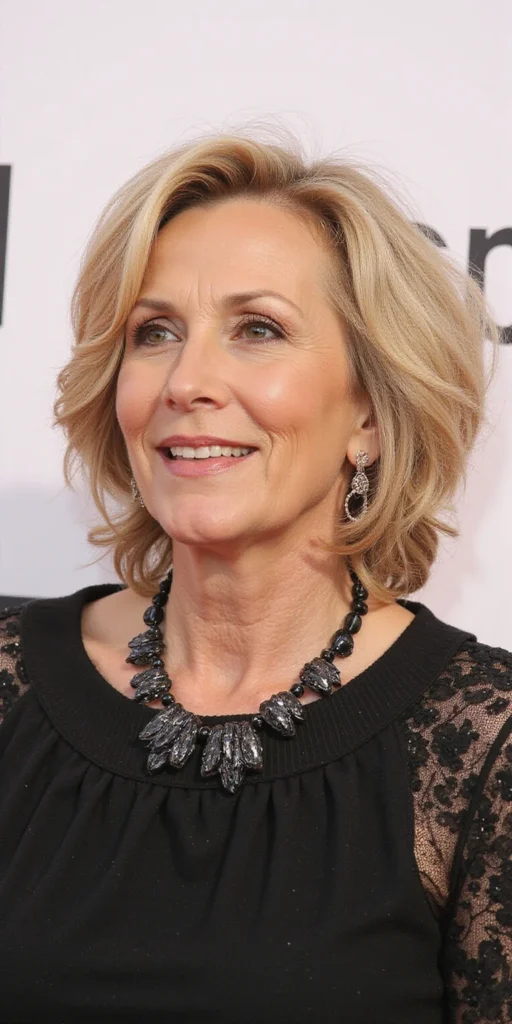
Soft layers are a game-changing technique for fine or thinning hair, working with the hair’s natural movement to create volume without sacrificing what little density already exists. Unlike blunt cuts that can expose weak areas, strategic layering removes bulk while maintaining fullness at the roots. The result is a shape that looks intentionally dimensional rather than flat or sparse.
Face-framing layers that begin at the chin and gradually lengthen toward the back are the most flattering option for this hair type. Layers that start too high near the crown risk drawing attention to thinning patches rather than disguising them.
Texturizing shears are the preferred tool for this technique, as razors can further weaken fragile strands over time.
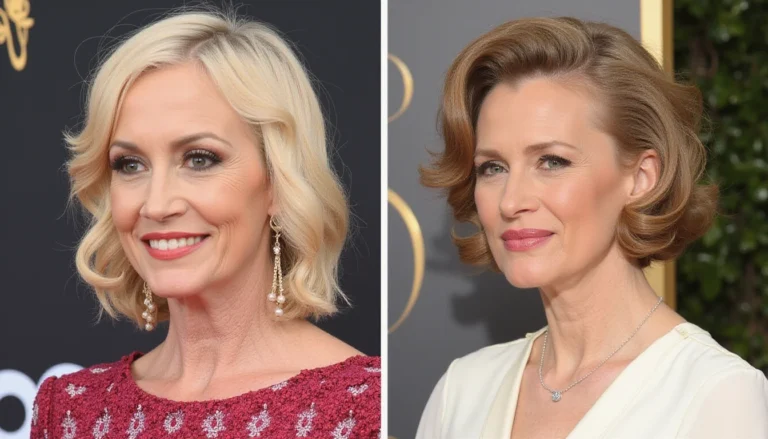
The Classic Bob With Face-Framing Layers
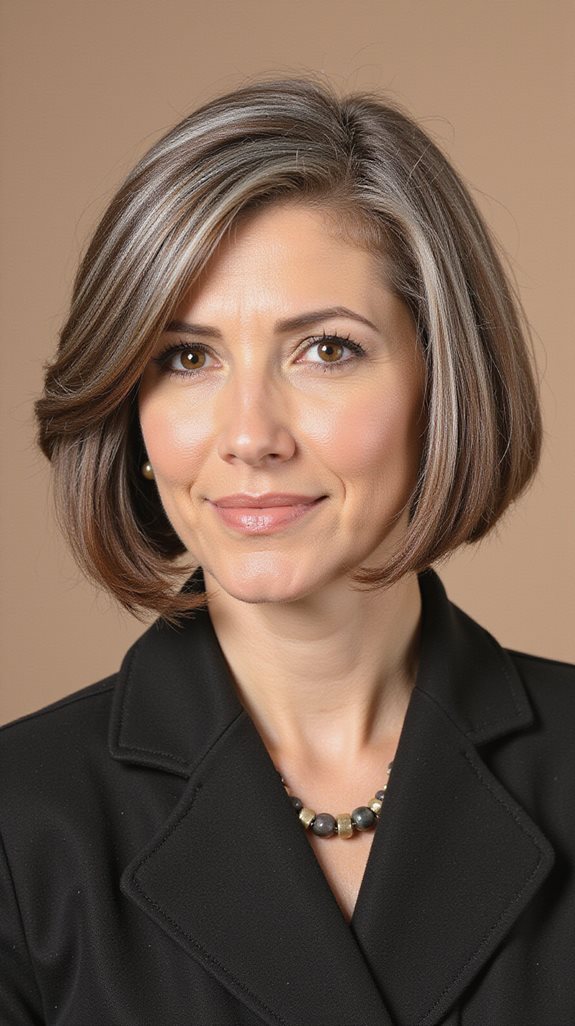
The structured perimeter of this cut holds its shape well between salon visits, while the interior layers keep the style looking dynamic and full of movement.
For those with fine hair, requesting longer layers ensures the cut maintains density without compromising dimension. It’s a reliable, low-maintenance style that delivers both structure and softness in equal measure.
Shaggy Layers That Feel Effortlessly Cool
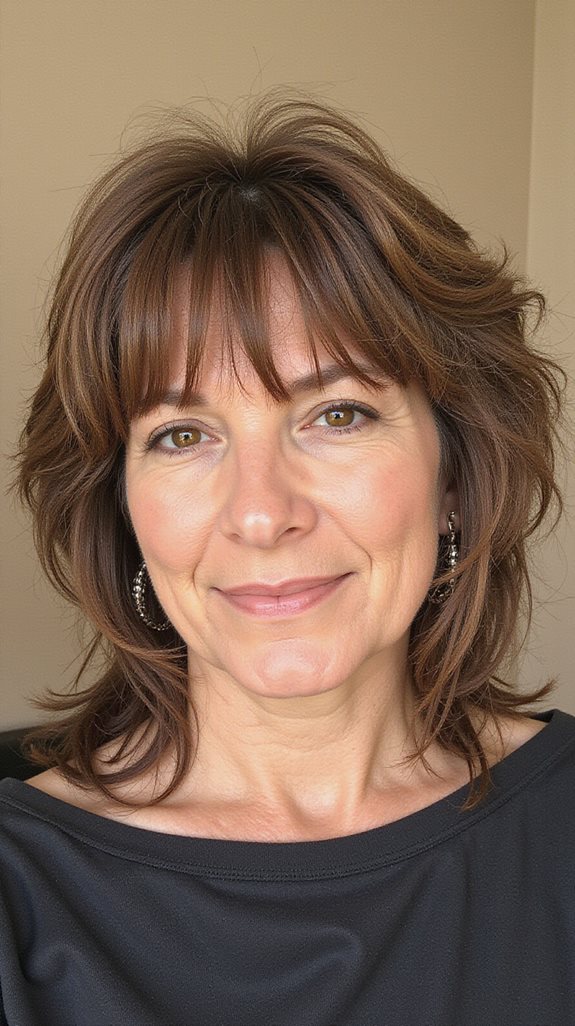
The shag cut brings effortless edge to mature hair, using multiple layers throughout the crown and ends to create natural movement without heavy product. Razored or point-cut ends prevent bulk and encourage separation, while curtain or wispy bangs soften forehead lines beautifully.
This style adapts seamlessly to fine, thick, straight, or wavy hair textures.
Minimal styling is the secret to making this cut shine — a lightweight mousse scrunched in and diffused is all it takes. The result is a lived-in, confident look that feels genuinely modern without appearing overdone.
Shoulder-Length Cuts With Feathered Layers
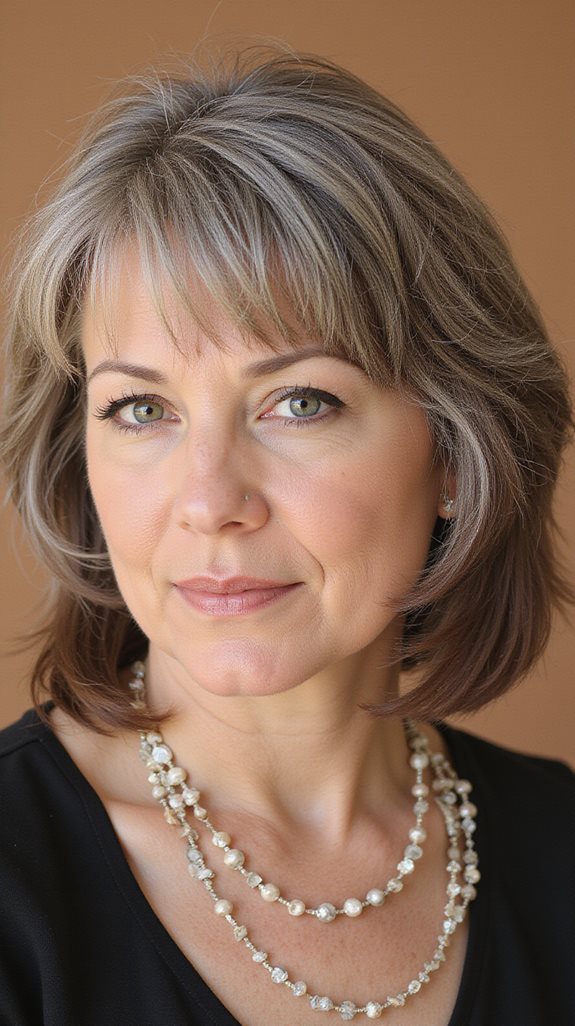
Point-cutting the ends keeps the silhouette soft and dimensional rather than flat and blunt.
Styling this cut is straightforward, whether using a round brush during blow-drying or simply air-drying for a more relaxed finish. The feathered ends can be curved away from the face or flipped under for a polished, classic look.
Grazing the collarbone, this length draws the eye downward, elongating the neck in a way that feels particularly flattering after 50.
Short Layered Pixie Styles for Bold Women
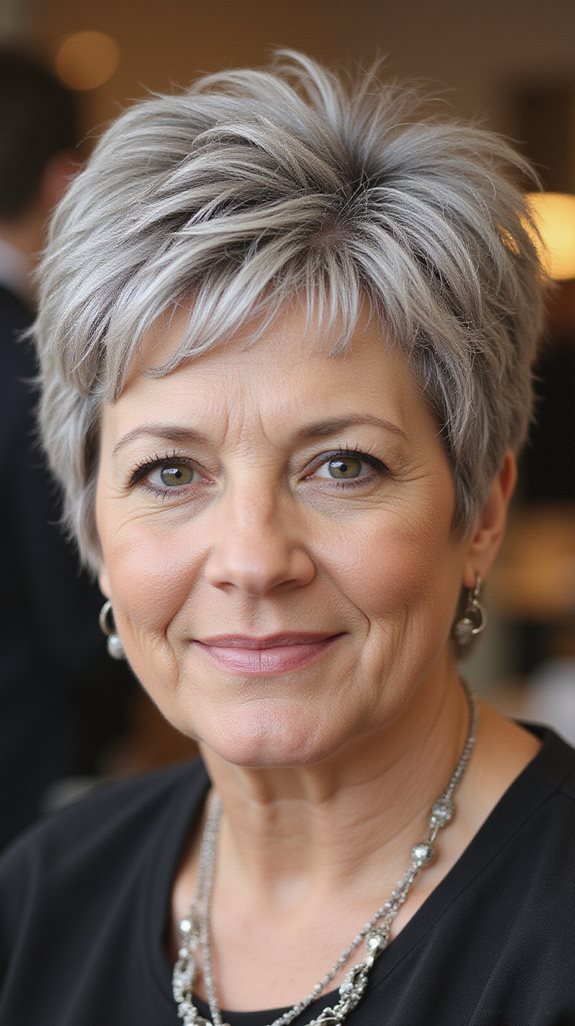
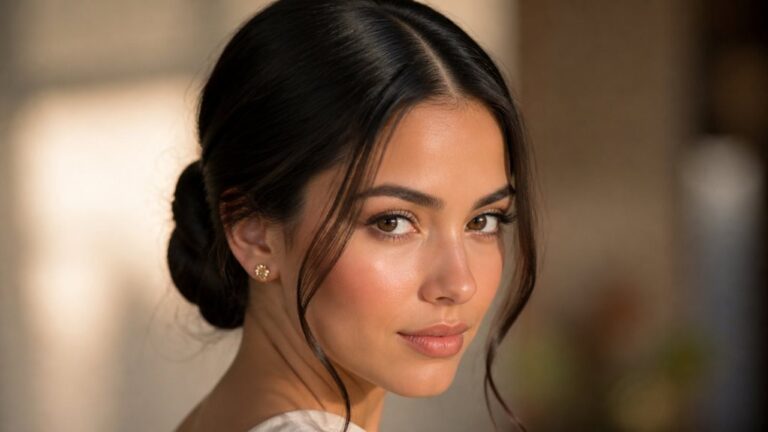
Short layered pixie styles are a bold, liberating choice that combine structure and movement in one effortlessly chic cut. Designed to add volume at the crown and frame the face with precision, this style works beautifully with natural texture, making it a smart option for women with fine or thinning hair.
Point-cutting and razor techniques bring edgy dimension without bulk, giving the style a sharp, modern edge.
Longer layers at the crown paired with tighter sides create a striking contrast that elongates the neck and defines the jawline.
This cut delivers a polished, confident silhouette that flatters virtually every face shape with minimal daily styling effort. It’s a cut that rewards boldness with a consistently refined, high-impact look.
Long Layers That Add Life to Thick Hair
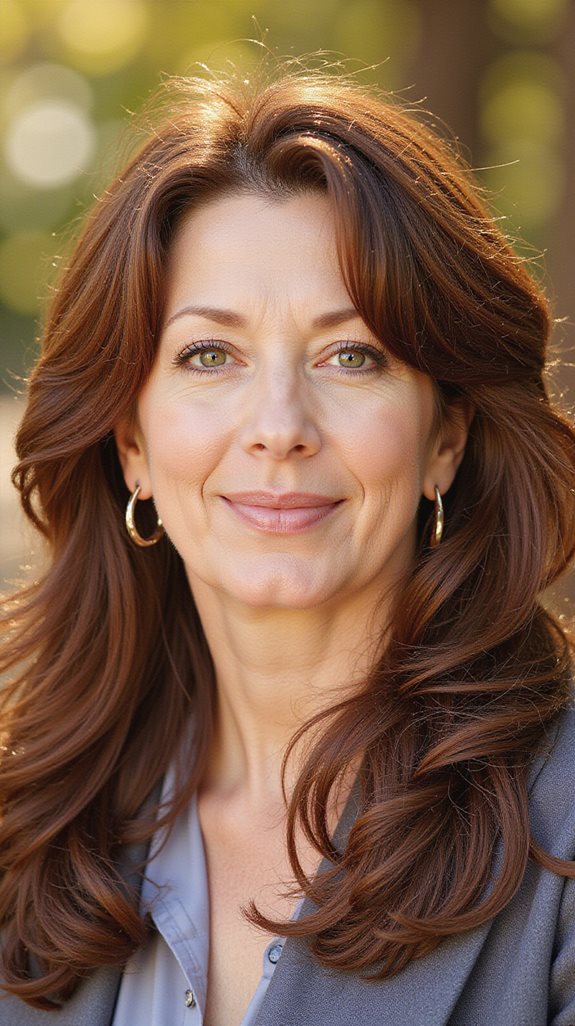
Long layers are a game-changing technique for thick hair, working to remove bulk while maintaining length and movement. By cutting layers starting mid-shaft and cascading downward, this approach prevents the dreaded triangle shape that thick hair naturally forms.
Face-framing pieces at varying lengths add dimension and distribute weight more evenly across the front. Layered bangs paired with this cut create a structured yet voluminous look that feels intentional rather than overwhelming.
Regular maintenance trims every eight weeks keep the layers defined and the overall shape intact. This technique transforms thick hair from unmanageably full to beautifully sculpted with natural movement.
Wispy Layers That Soften Strong Jawlines
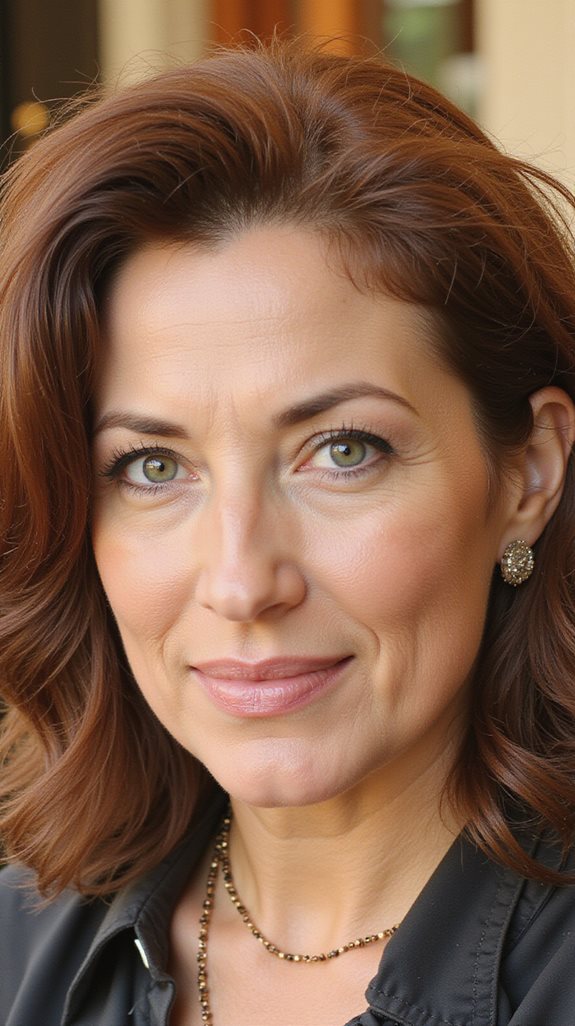
Wispy layers are a game-changing technique for softening a strong jawline, using feathered cuts and strategic placement to redirect attention upward toward the cheekbones. A skilled stylist can use point-cutting methods to create delicate, airy edges that replace harsh lines with gentle movement.
Side-swept wispy bangs further break the horizontal emphasis across the jaw, blending seamlessly into the surrounding layers.
Layers that taper past the jawline rather than stopping directly at it are key to elongating the lower half of the face beautifully. Framing the face with feathered layers at cheekbone level pulls the eye upward, creating a naturally softened silhouette.
Avoiding blunt, jaw-length cuts ensures the layers work with your facial structure rather than against it.
The Modern Wolf Cut for Women Over 50
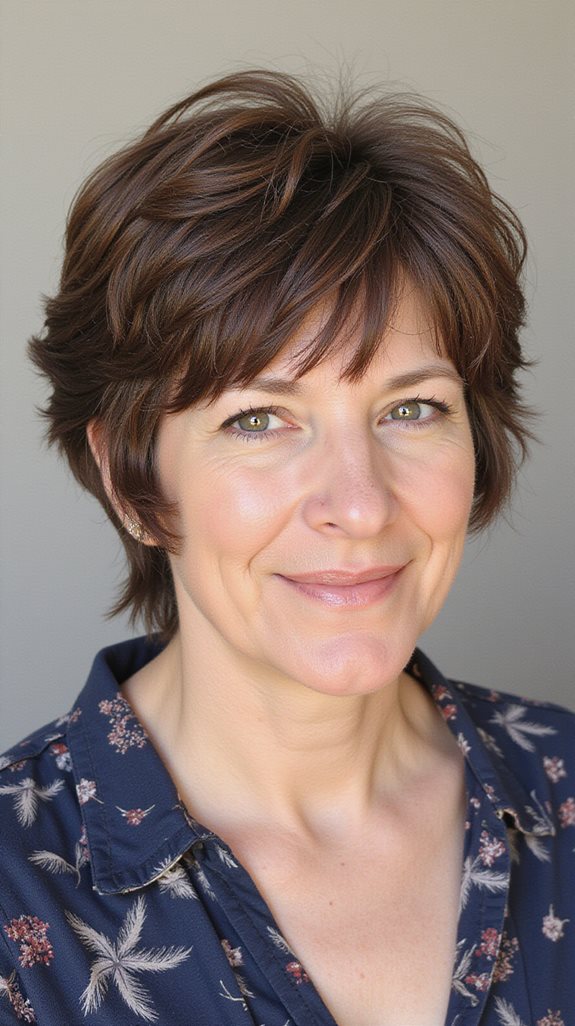
The modern wolf cut is a bold yet versatile hairstyle that has become a favorite for women over 50 looking to refresh their look. It combines the structure of a shag with layered texture, creating natural movement that flatters both thick and fine hair. The cut works with your hair’s natural texture rather than against it, making styling effortless.
Your stylist will craft curtain bangs, shorter crown layers, and longer face-framing pieces to build the signature wolf cut shape. This thoughtful layering delivers volume at the roots while reducing bulk at the ends, addressing common concerns like thinning or fine hair.
Customizing the layer lengths based on your face shape ensures the most flattering and personalized result.
Textured Layers for Naturally Curly Hair
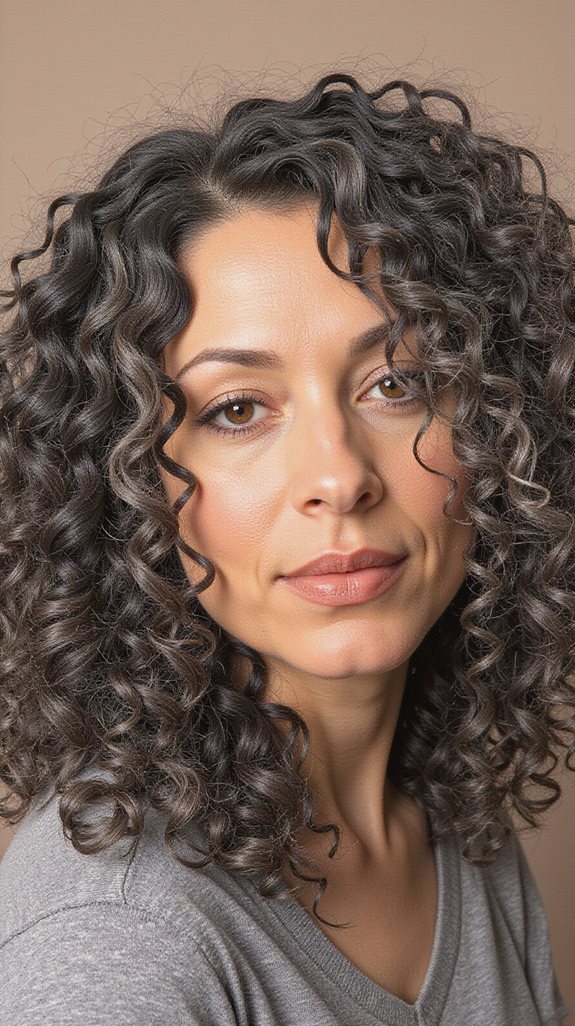
Naturally curly hair requires a specialized layering approach that works with each curl’s unique pattern and shrinkage behavior.
Stylists trained in curl-specific techniques cut hair while dry, allowing them to see exactly how each section will behave in its natural state. This method preserves curl definition and prevents the uneven results that wet cutting often produces.
Layers for curly hair should target the mid-lengths and ends to eliminate unwanted bulk without disrupting the curl’s root structure.
Techniques like the DevaCut and Rezo Cut are designed specifically for curly textures, allowing each curl to coil independently with natural dimension. This approach reduces the triangle-shaped volume common in curly hair while keeping density intact and frizz minimal.
Layered Lob Styles That Always Look Polished
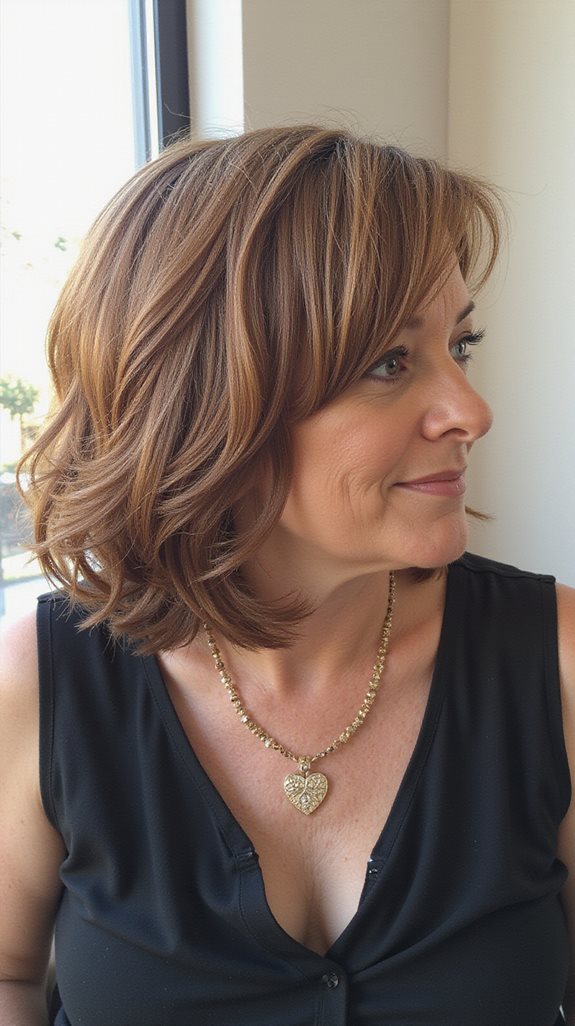
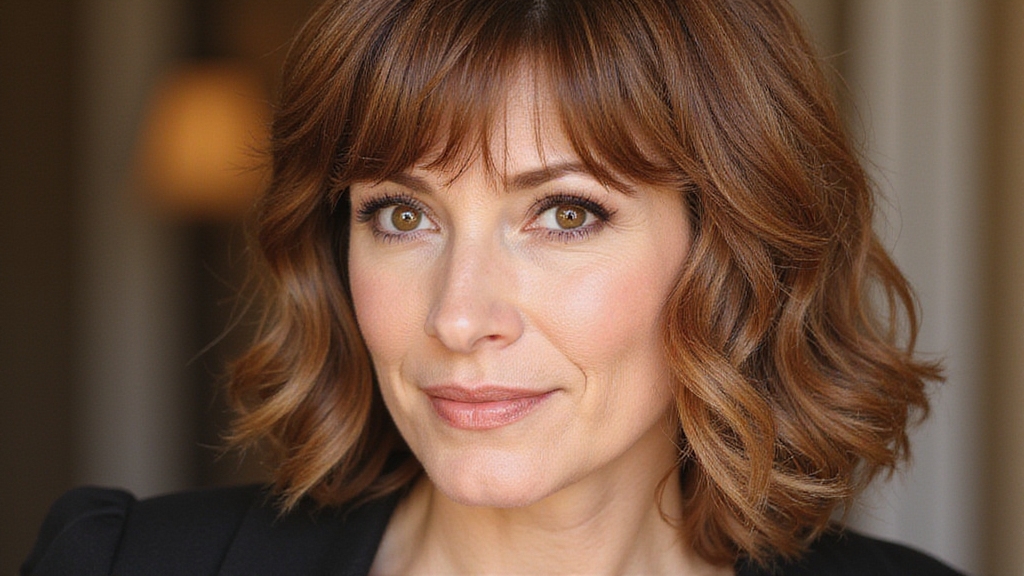
The layered lob sits anywhere from the collarbone to just below the jaw, striking a perfect balance between versatility and refinement. Textured layers reduce bulk, add movement, and soften facial contours, making this cut especially flattering for women over 50.
Point-cut ends create natural separation without requiring excessive product, giving the style an effortlessly polished finish.
Blow-drying sections downward with a medium round brush, then finishing with a flat iron to create a subtle inward curl at the ends, keeps the look consistently sleek. A lightweight serum controls frizz without weighing the layers down.
This adaptable cut transitions seamlessly between professional settings and casual occasions, making it one of the most practical style choices available.
Tousled Layers for a Relaxed, Lived-In Look
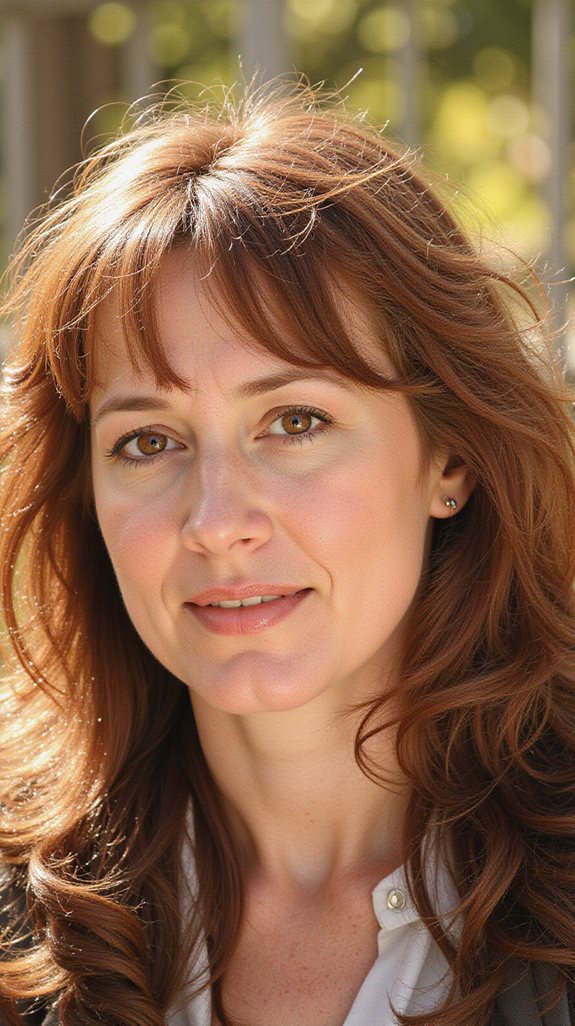
Tousled layers create a relaxed, lived-in look that feels effortlessly cool while maintaining subtle structure and dimension.
This style works by building texture through scrunching techniques, diffusing, and lightweight products that enhance natural movement. The result is soft, controlled texture that appears naturally undone yet deliberately styled.
Refreshing second-day hair is simple with a quick spritz of sea salt spray and a brief scrunch to revive the layers.
Avoid heavy serums that weigh the hair down and strip away that intentional looseness. The key is keeping products light so the layers stay airy, separated, and full of effortless volume.
Curtain Bangs Paired With Layered Cuts
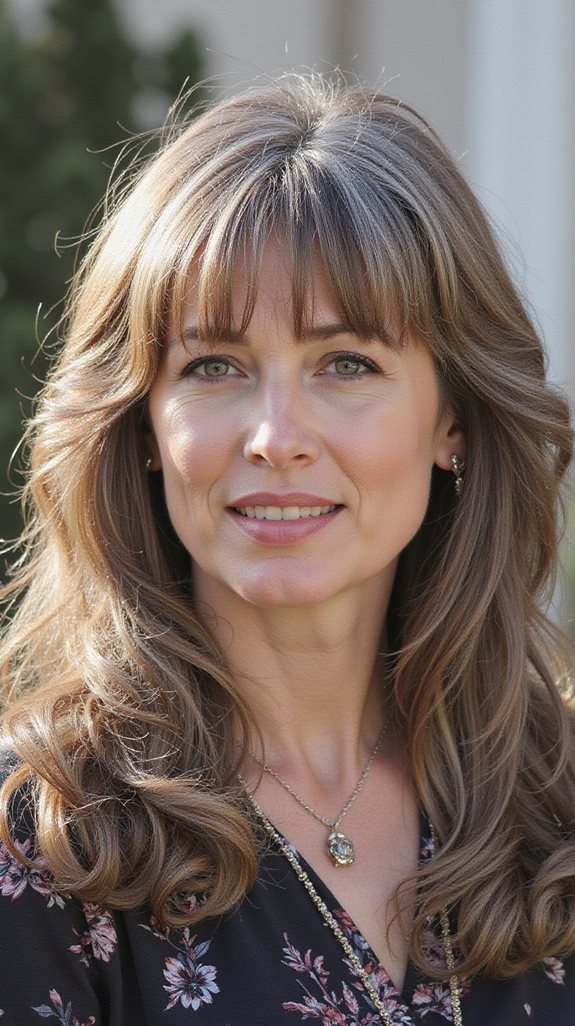
Curtain bangs complement layered cuts by framing the face with soft, face-falling sections that blend seamlessly into the overall shape. They soften a prominent forehead and draw attention to your cheekbones, making them particularly flattering after 50.
Use a round brush while blow-drying to direct each side outward, creating that signature curtain effect.
Schedule trims every six to eight weeks to preserve the feathered edge and keep the part crisp. A light-hold serum prevents frizz without weighing down the movement.
Avoid cutting them too short, as length preserves their softening quality and allows them to integrate well into your layers between appointments.
How Layers Can Make Thin Hair Look Fuller?
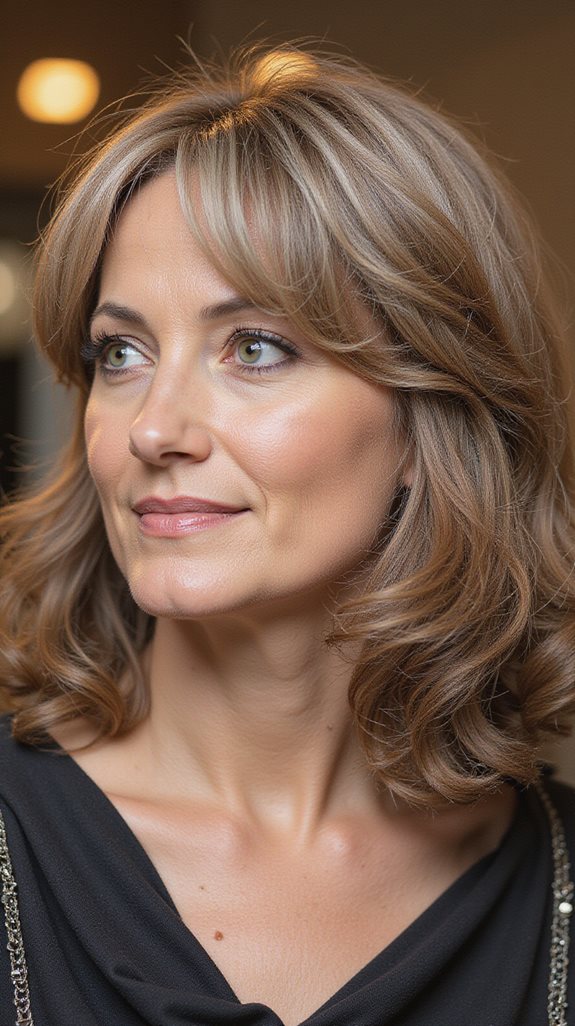
Layers work by removing bulk at the ends and redistributing weight throughout the hair, creating the illusion of volume and movement in thin strands. Strategic cuts allow each section to move independently, making hair appear thicker than it actually is.
This separation is what gives thin hair its newfound sense of fullness and dimension.
Blow-drying with a round brush lifts roots effectively, amplifying what layers already accomplish structurally. Lightweight volumizing mousses and texturizing sprays grip individual strands without weighing them down, while heavy conditioners near the roots should be avoided to prevent flattening.
The right cut and product combination allows thin hair to convincingly project fullness and density.
Blunt Ends With Subtle Internal Layers
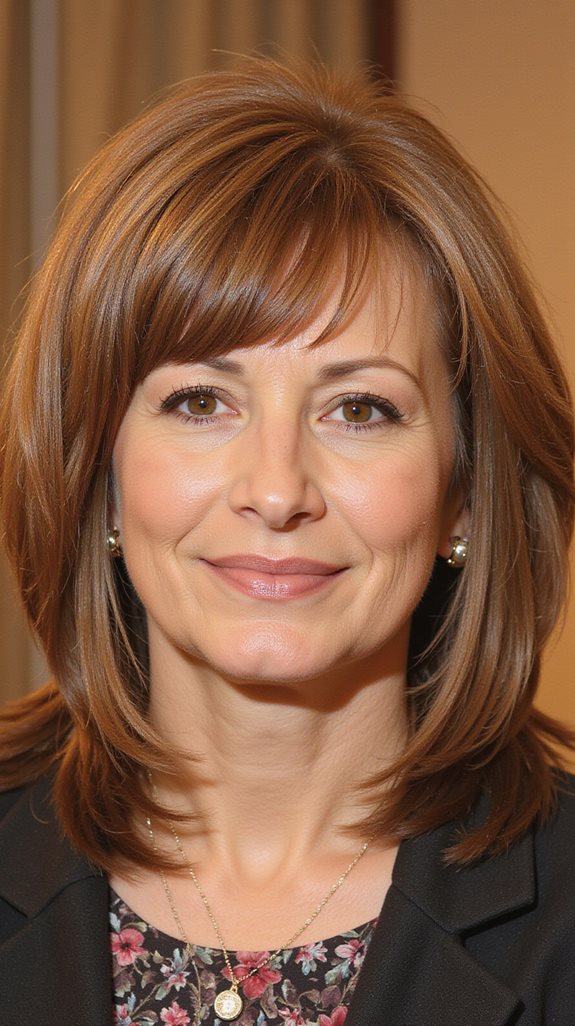
Blunt ends paired with subtle internal layers create a cut that balances structure with movement, making it one of the most flattering options for women over 50. The blunt edge delivers a polished, defined perimeter that visually thickens fine hair strands, leaving ends looking fuller and healthier. This combination achieves a sophisticated silhouette without sacrificing length or elegance.
Internal layer techniques work beneath the surface, removing bulk strategically while preserving the clean outer line. A stylist carves layers into the mid-shaft and interior sections, creating natural lift and flow without the choppy appearance that traditional heavy layering can produce.
The result is effortless volume exactly where it matters most.
Face-Framing Layers for Round Face Shapes
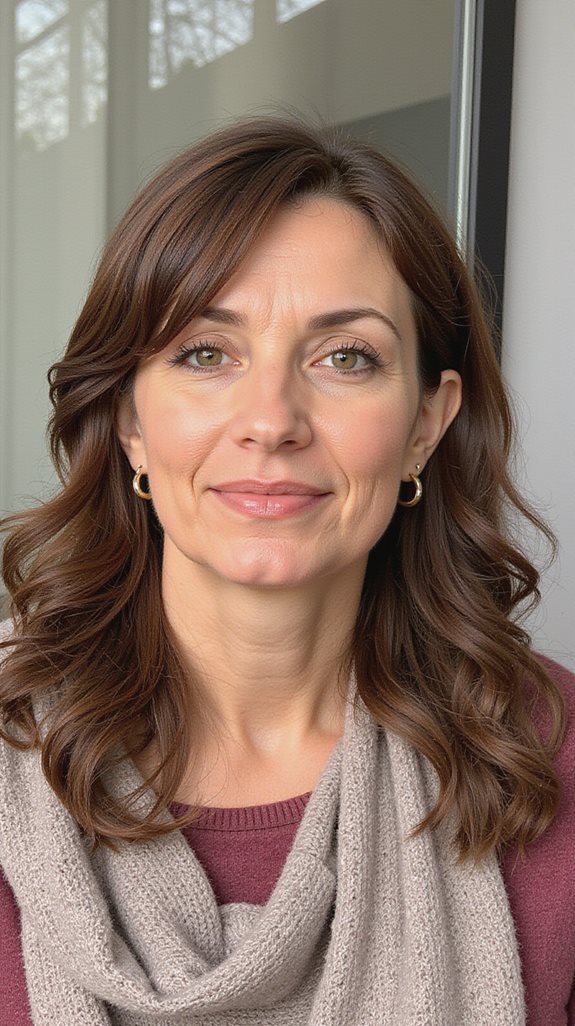
Face-framing layers are a game-changer for round face shapes, working to elongate and define by drawing the eye vertically rather than horizontally. Longer layers that start at the cheekbones and angle downward toward the chin create diagonal lines that counterbalance fullness. These stylish enhancements add dimension exactly where it’s needed most.
Collarbone-length cuts work exceptionally well because they extend the visual line downward, pulling attention toward the jawline and neck. Subtle highlights along the face-framing layers reinforce that vertical illusion, giving features a naturally sculpted appearance.
Avoiding layers that stop at the widest part of the face ensures roundness is minimized rather than emphasized.
Layered Cuts That Work With Gray and Silver Hair
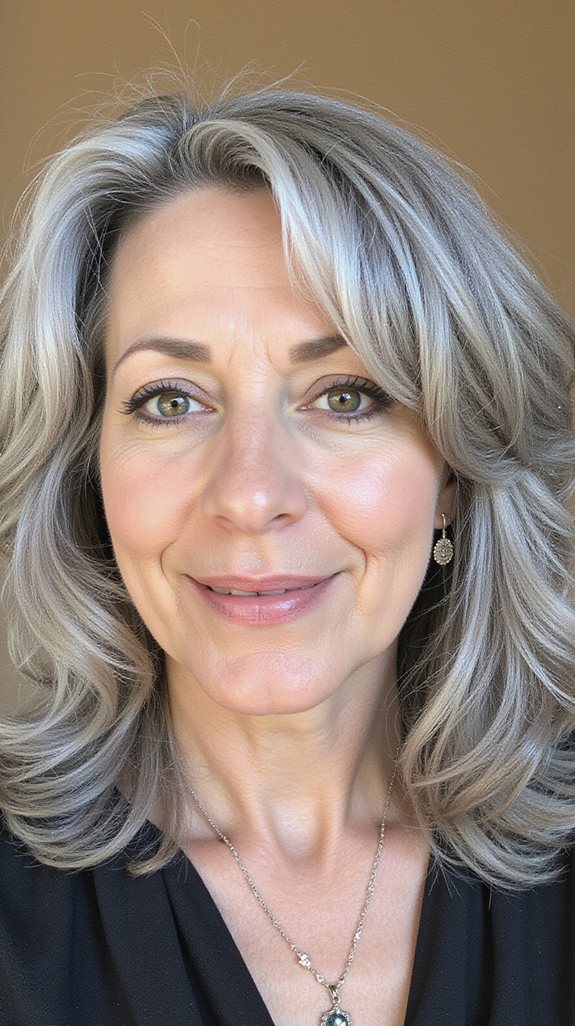
Layered cuts are one of the most flattering choices for gray and silver hair, working with the hair’s natural texture rather than against it. The coarser, more porous nature of gray strands responds exceptionally well to strategic layering, which removes bulk while preserving volume and movement.
Point-cutting techniques create a softer, more polished finish compared to blunt shearing, which can leave gray hair looking flat and heavy. Keeping layers longer around the face maintains a softening effect that complements silver tones beautifully.
Light traveling through well-placed layers naturally enhances silver highlights, creating dimension that rivals color-treated results. Scheduling trims every six to eight weeks ensures the cut stays intentional and refined rather than growing into an unstructured, overgrown shape.
Beachy Waves Enhanced by Long Layers
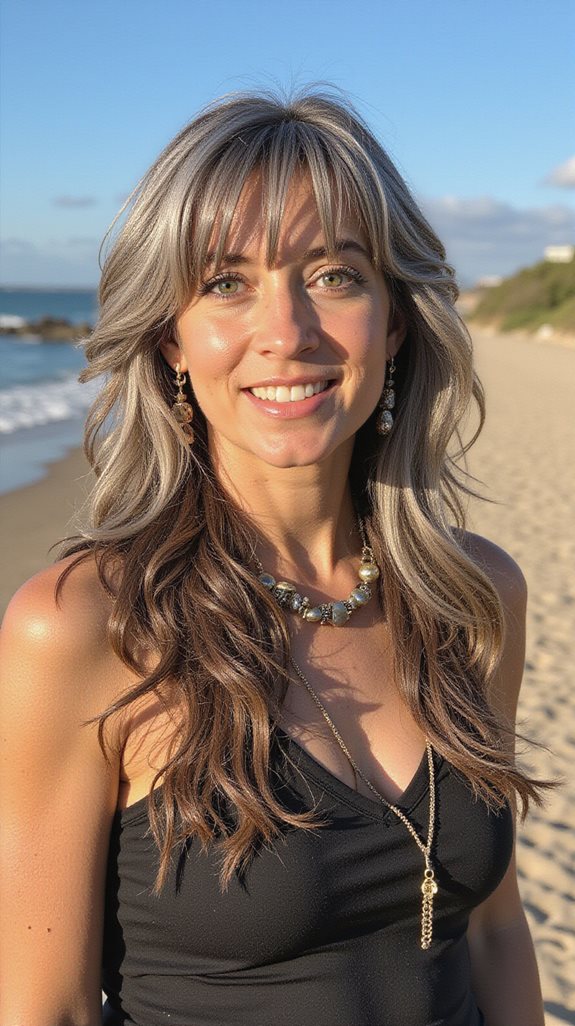
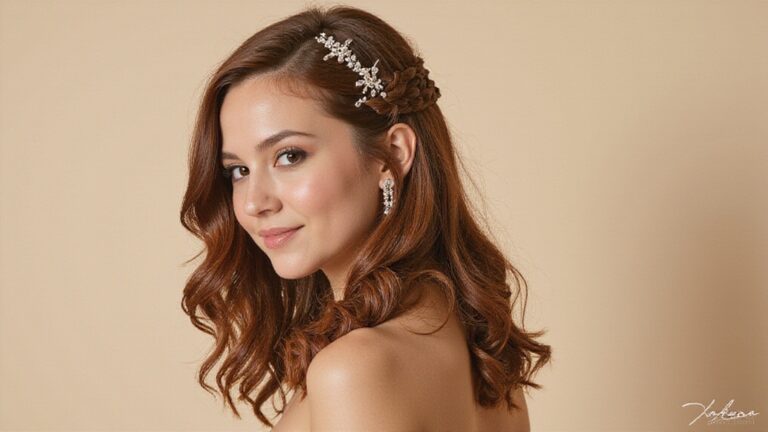
Beachy waves get their effortless charm from the strategic weight distribution that long layers provide. Rather than falling flat, waves form naturally and move independently, creating that lived-in coastal look. The graduated cut gives each wave its own dimension without requiring excessive styling time.
Activating this texture is straightforward — scrunch sea salt spray through damp hair and diffuse or air-dry. The variation between layers is what makes the style work, so perfectly uniform waves are never the goal.
For fine or thinning hair, long layers keep the style looking full and expressive without any heaviness.
Asymmetrical Layered Cuts for a Modern Edge
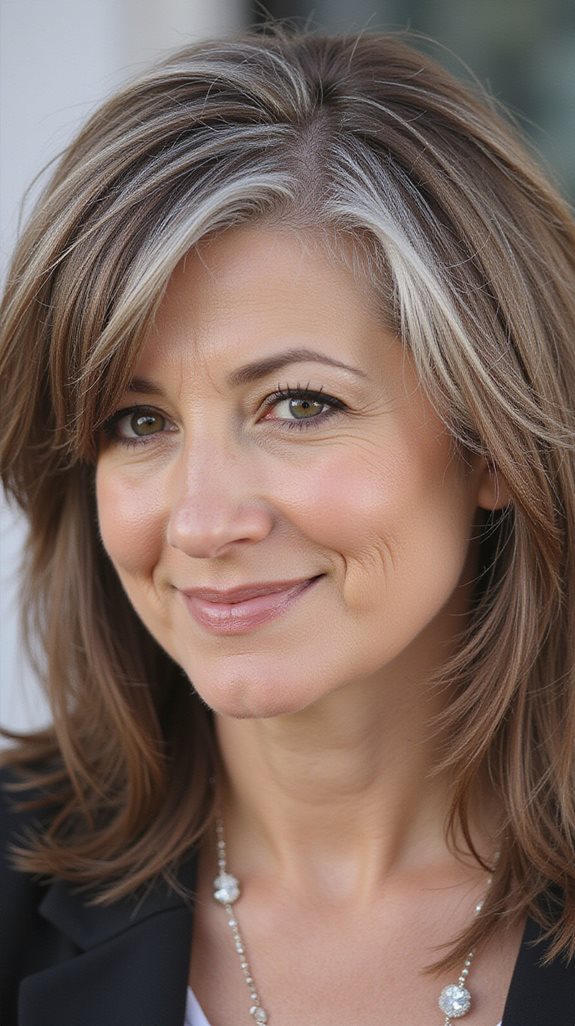
Asymmetrical layered cuts create a bold, modern silhouette that brings deliberate visual interest and sharp contemporary style. The asymmetrical bob stands out as a particularly effective choice, with its longer front panel softening jawlines while edgy layers add movement and dimension.
This technique eliminates excess bulk that can age your appearance while preserving fullness exactly where it matters most.
Razor-texturized layers produce clean, precise ends that keep the style looking polished rather than heavy or dated. A light-hold pomade helps define the asymmetry and maintains the structured contrast between the shorter nape-close cut and the graduated longer side.
Asking your stylist to build layers from shorter to longer creates the kind of refined, intentional edge that flatters women over 50 beautifully.
Layered Styles That Are Low-Maintenance to Keep
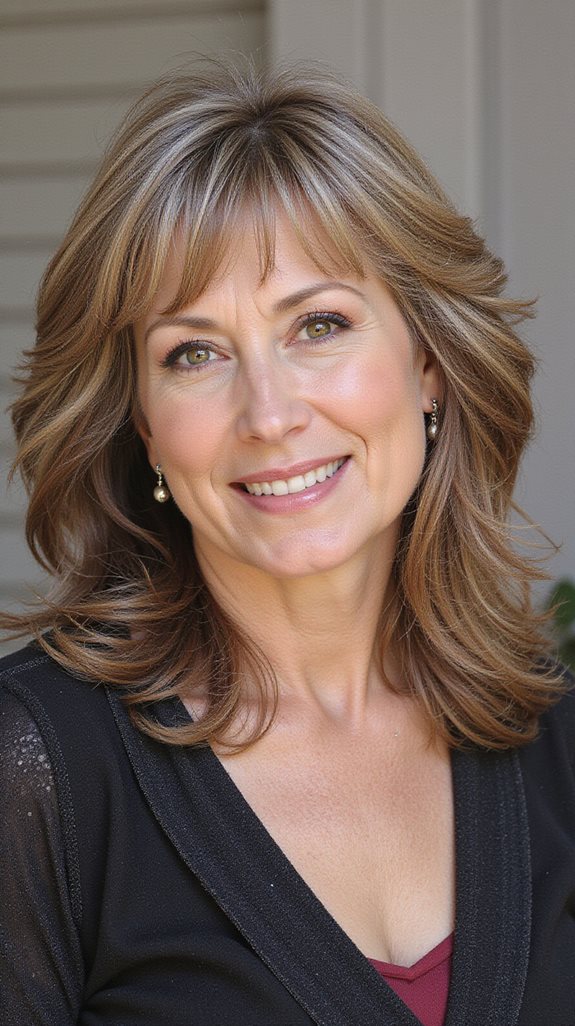
Layered styles offer a practical solution for women over 50 who want a polished look without the burden of constant upkeep.
Long layers with a soft, face-framing shape air-dry beautifully, reducing dependence on heat tools. Choosing cuts that follow your hair’s natural texture makes daily styling effortless and consistent.
Fine hair benefits from mid-length layers that add volume without weight, while coarser hair responds well to deeper, longer layers that reduce bulk.
A lightweight mousse applied to damp hair and left to dry naturally delivers a refined finish with minimal effort. A quick diffuse is all it takes to complete the look in minutes.
Flippy Layers for a Retro-Inspired Look
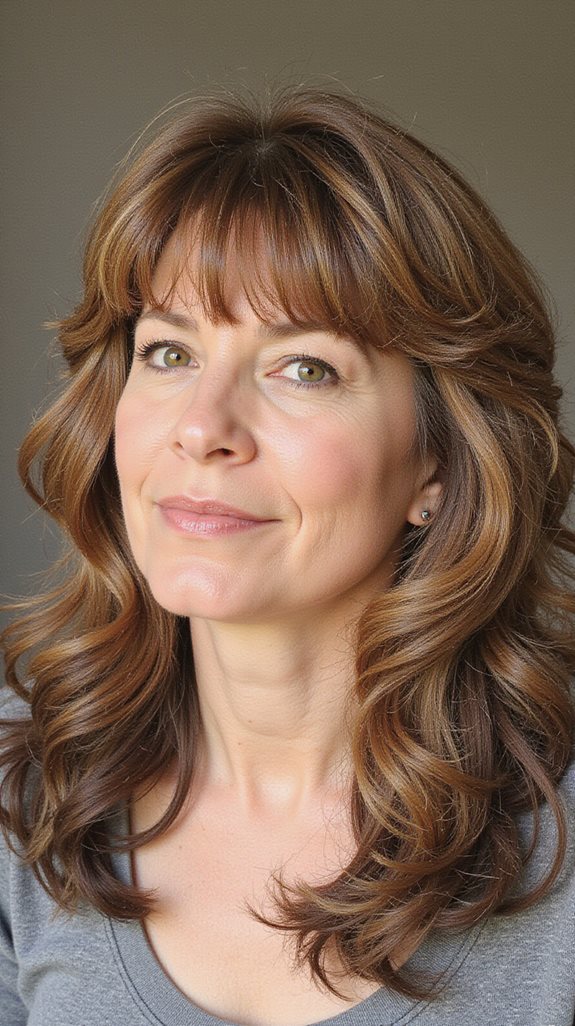
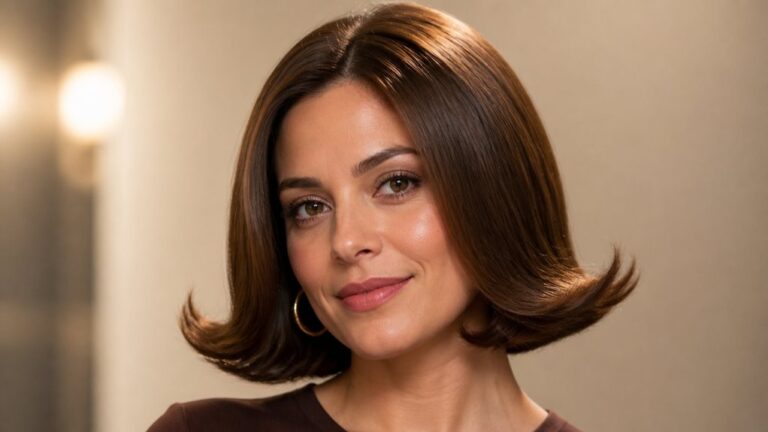
Flippy layers bring a playful, retro energy to medium-length hair, channeling the polished bounce of 1960s and 1970s styling. The cut features layers falling around the jaw and collarbone, angled outward at the tips to create the signature flip. This structure delivers vintage vibes without feeling costume-like.
Styling begins with volumizing mousse at the roots, followed by blow-drying sections outward using a round brush. The ends are then curled away from the face with a medium-barrel iron, and a light-hold hairspray locks in retro elegance while keeping movement natural.
This technique works especially well for women over 50, as the outward flip lifts the face and adds youthful dimension to thinner hair.
Layered Cuts That Pair Well With Hair Color
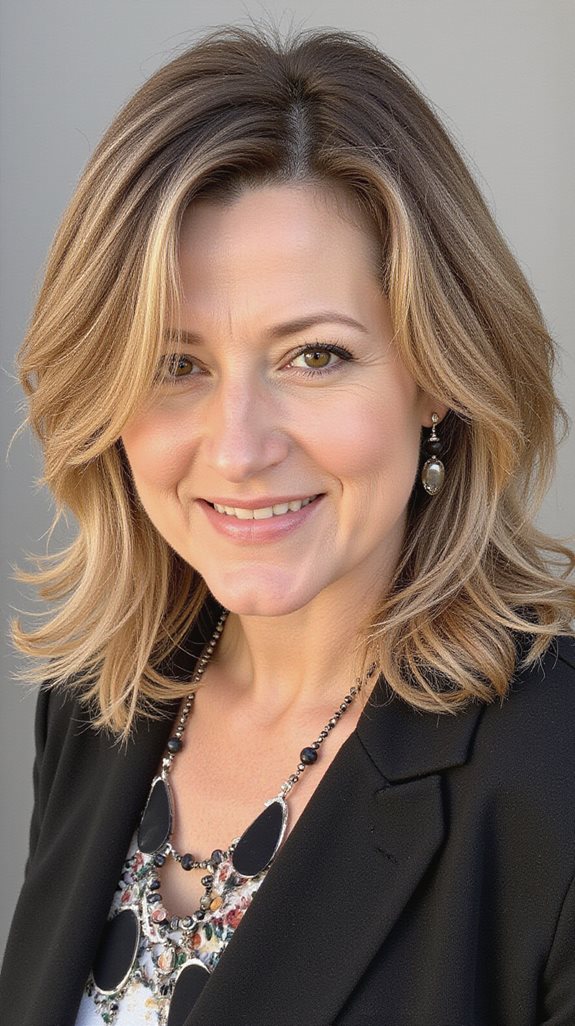
Layered cuts and hair color create their most striking results when each element is chosen to enhance the other.
The way layers interact with highlights, balayage, and solid tones determines how light moves through the hair and how dimension appears. Understanding this relationship helps guide both the cutting and coloring process toward a cohesive, polished look.
Chunky layers naturally suit bold balayage, while soft, feathered layers work best alongside subtle, blended highlights.
Solid color benefits from graduated layers, which introduce structural contrast to prevent a flat appearance.
Gray blending is particularly well-served by cascading layers, as they distribute tonal variation evenly throughout the hair.
Voluminous Layers for Fine Straight Hair
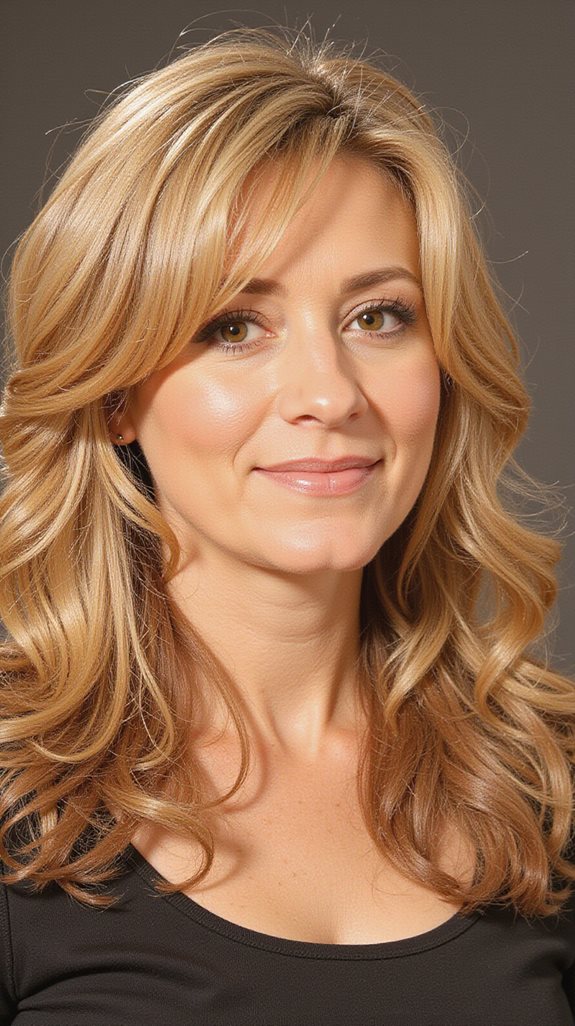
Fine, straight hair can feel limiting when it comes to styling, but the right layering technique makes all the difference. Graduated layers cut from the crown downward create natural movement while maintaining balanced weight distribution throughout the hair.
Shorter layers at the top build visible volume, while longer layers preserve shape and structure through the ends.
Styling tools and products play an equally important role in making these layers perform at their best. A round brush during blow-drying lifts roots significantly, and lightweight volumizing mousse amplifies bounce without dragging the hair down.
Keeping heavy conditioners away from the roots ensures your volume stays intact throughout the day.
Neck-Skimming Bobs With Soft Layering
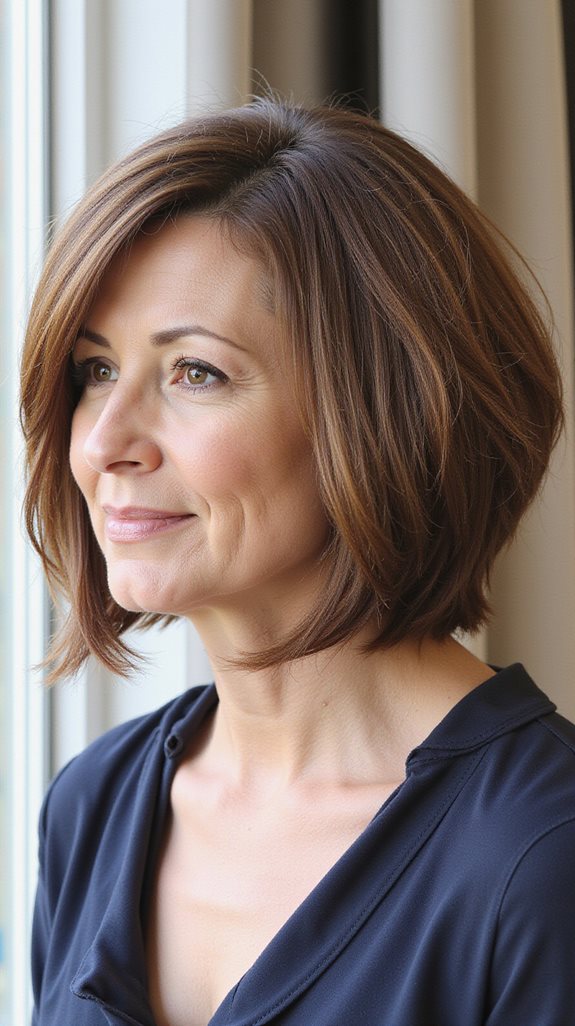
Neck-skimming bobs sit at one of the most flattering lengths for women over 50, framing the face while drawing attention away from the jawline and neck.
Soft layering techniques applied throughout the interior remove bulk while preserving perimeter weight for a polished finish. The internal layers encourage natural movement and prevent the style from appearing flat or boxy.
Layers beginning around the cheekbone level cascade downward, blending seamlessly into the ends for a refined look. This approach suits both straight and wavy hair, requiring minimal daily styling effort.
A light volumizing mousse activates the layers beautifully on wash days, enhancing texture and shape.
Layered Styles That Look Great Air-Dried
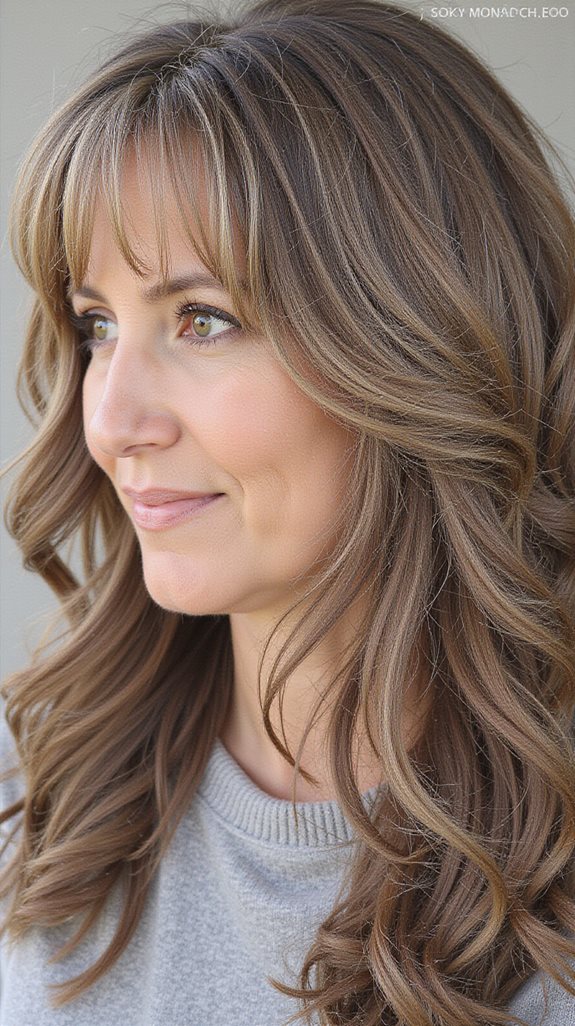
Layered styles are an excellent choice for women over 50 who want to embrace their natural texture without relying on heat tools.
A strategically cut layered style works with your hair’s movement, turning natural texture into a flattering asset rather than something to manage.
Applying a curl-enhancing cream or light leave-in conditioner to damp hair and scrunching gently allows layers to fall naturally into place as they dry.
Softly graduated layers that frame the face deliver an effortless, low-maintenance finish that looks polished without the need for styling tools.
Frequently Asked Questions
Can Layered Hairstyles Help Disguise a Thinning Crown Area?
Yes, layers can effectively disguise thinning hair at your crown. You’ll add visual density by using volumizing techniques like strategic backcombing, root-lifting products, and carefully placed layers that draw attention away from sparse areas.
How Often Should Women Over 50 Trim Their Layered Cuts?
You should schedule trims every 6-8 weeks to maintain trim frequency and optimize hair health. Regular cuts remove split ends, keep your layers defined, and prevent breakage that’s common in mature hair.
Do Layered Styles Work Well With Hair Extensions or Pieces?
Yes, layered styles work beautifully with extensions or pieces. You’ll enhance your look using volumizing techniques that blend seamlessly. Prioritize extension maintenance by scheduling regular adjustments, ensuring your layers stay fresh, natural-looking, and perfectly integrated throughout.
Can Layers Help Reduce Styling Time for Busy Older Women?
Yes, layers absolutely cut your styling time! They work with your natural hair texture, reducing the need for excessive manipulation. With the right styling products, you’ll achieve a polished, effortless look in minutes.
Are Layered Cuts Suitable for Very Coarse or Wiry Hair?
Yes, layered cuts work beautifully for coarse or wiry hair texture. Your stylist should use point-cutting techniques to remove bulk strategically, creating movement and definition while preventing unwanted volume and frizz from overwhelming your overall style.
Wrapping Up
You’ve got more options than ever when it comes to layered styles after 50, and the right cut can genuinely transform how your hair looks and feels daily. Whether you’re working with fine strands, thinning roots, or thick texture, layers add movement and dimension where you need it most.
Talk directly with your stylist about your specific concerns, bring reference photos, and don’t hesitate to ask about techniques like point-cutting or texturizing to achieve exactly what you’re after.