How to Make Cheap Clothes Look Expensive: 15 Tricks That Work
You don’t need a big clothing budget to look put together. Most of what makes an outfit look expensive has little to do with the price tag. It comes down to how the clothes fit, what the fabric looks like up close, and the small finishing details that most people never think about.
This guide covers how to make cheap clothes look expensive in practical steps. You’ll learn what to check before you buy, which budget fabrics hold up, which alterations are worth paying for, where to save and where to spend, and 15 styling tricks you can use with the clothes you already own.
What Makes Clothes Look Expensive
Three things do most of the work. The first is fit. A jacket that sits right on your shoulders and trousers hemmed to the right length look made for you, and that alone makes clothes look costly. The second is fabric. Material with some weight, a matte surface and a smooth drape looks richer than thin, shiny or clingy fabric at any price.
The third is finish: clean seams, buttons that don’t wobble, no pilling, no wrinkles, and colors that haven’t faded. A $20 sweater that’s de-pilled and folded properly can look better than a $150 one that’s stretched and fuzzy. The good part is that all three are things you can control on a small budget.
Check the Quality Before You Buy
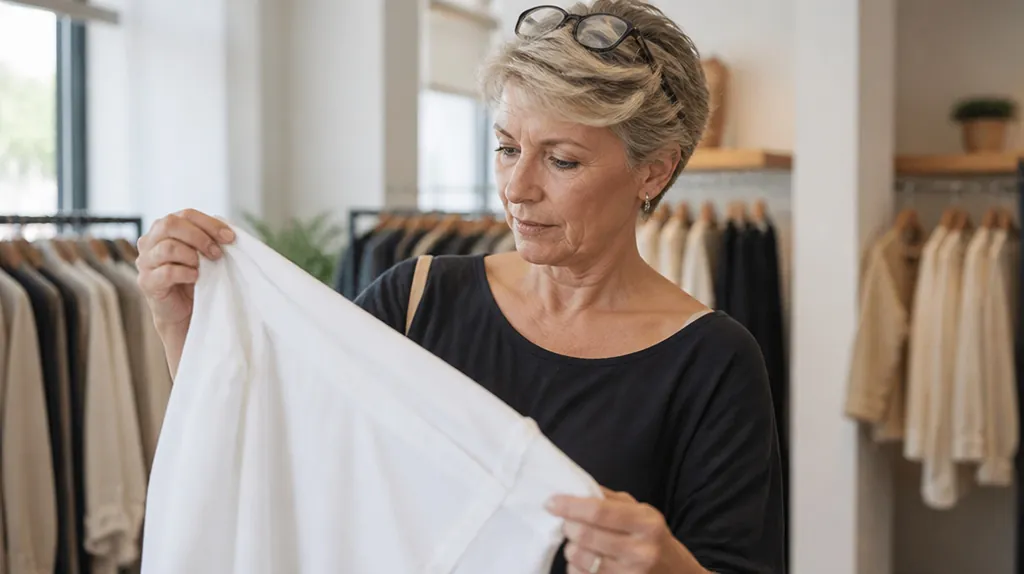
Price doesn’t always match quality. Some budget pieces are well made, and some expensive ones aren’t. A two-minute check in the store or when a package arrives saves you from buying things that look cheap after one wash.
- Turn the garment inside out. The seams should be finished, with no loose threads or raw edges fraying.
- Pull gently at a seam. If you can see light through gaps in the stitching, it won’t last.
- Look at stripes, checks and prints where two pieces meet. On better-made clothes, they line up.
- Hold the fabric up to the light. If it’s see-through when it shouldn’t be, it’ll look thin on you too.
- Scrunch a corner in your fist for a few seconds. Fabric that comes out deeply creased will wrinkle all day.
- Check the buttons and zipper. They should feel solid and sit flat.
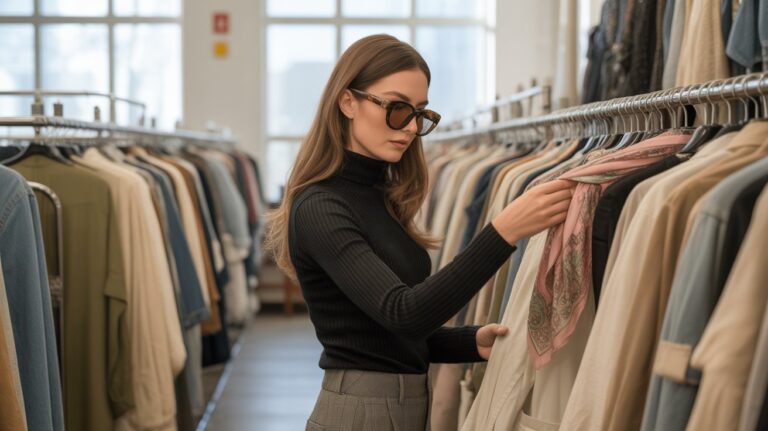
These same checks work in secondhand shops, where good fabrics turn up for a few dollars. This guide to spotting quality in a thrift store goes further into labels, fibers and what to skip on the rack.
Fabrics That Look Expensive on a Budget
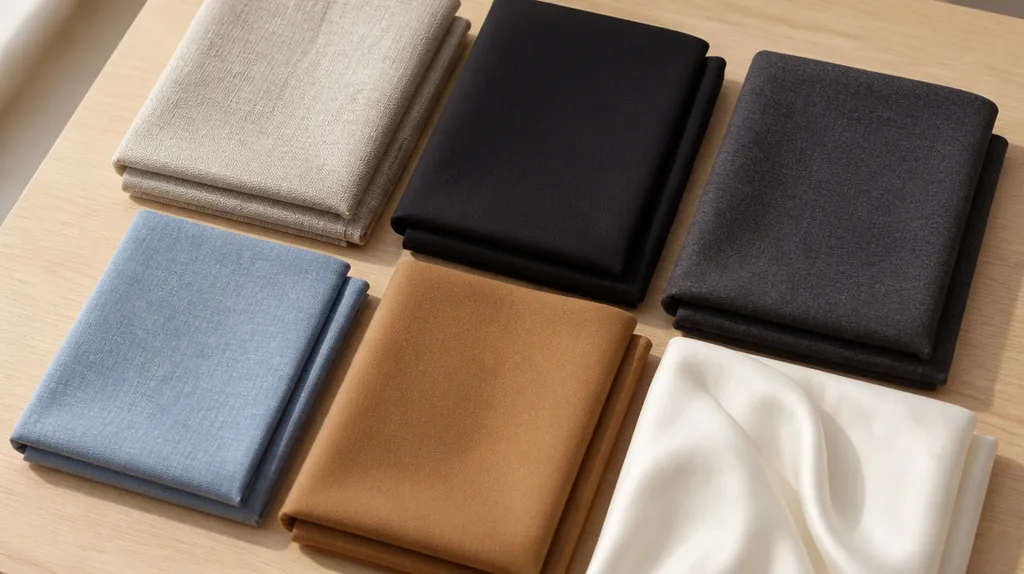
Natural fibers tend to look the most expensive: cotton in a crisp poplin or a thick jersey, linen, and wool or wool blends. With wool blends, a label with at least half wool usually looks and wears much better than a mostly acrylic mix. Linen wrinkles, but in a relaxed way that still looks intentional.
Several budget fabrics look better than their price. Ponte knit is thick and stretchy, holds its shape and doesn’t wrinkle much, so it’s good for trousers, skirts and simple dresses. Crepe has a matte surface and a soft drape that looks dressy. Chambray looks like a lighter, smarter denim. Modal blends feel smooth and hang well, and a good matte polyester crepe can pass for silk in a blouse.
Skip high-shine polyester, thin acrylic knits that pill within weeks, very thin cotton tees and anything with so much stretch that it clings. When you’re choosing between two similar pieces, pick the heavier and more matte one.
Fit and Tailoring: What’s Worth Paying For
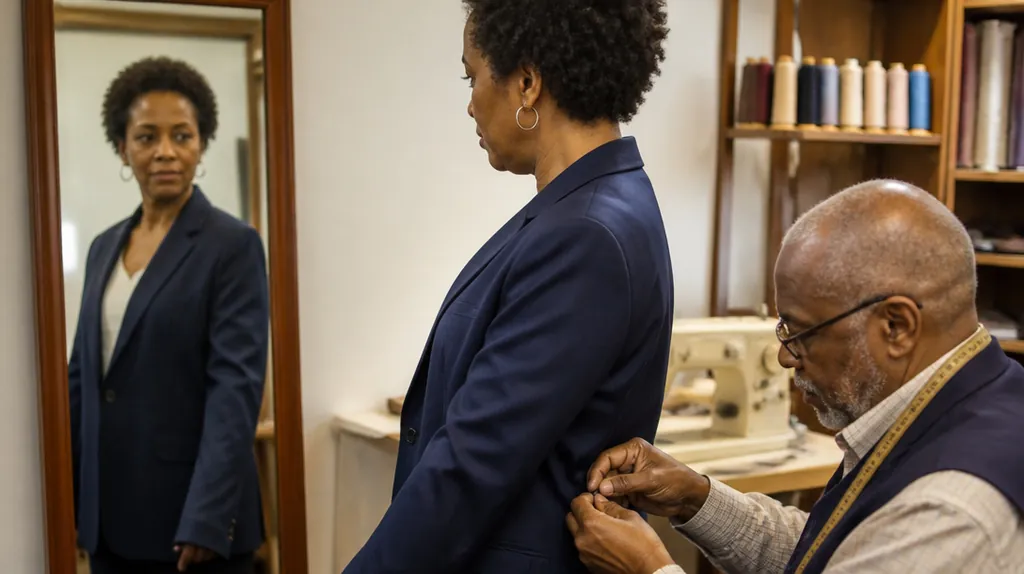
Fit makes the biggest difference of anything in this guide. On tops and jackets, the shoulder seam should sit at the edge of your shoulder, with no pulling across the bust or back. Long sleeves should end at your wrist bone. Trousers should sit at the waist without gaping, and the hem should just touch the top of your shoe, a little longer with heels.
Some alterations are cheap and change everything. Hemming trousers, shortening sleeves, taking in a waist and shortening a skirt or dress often cost around $10 to $35 at a local tailor, though prices vary by city. Those are worth doing on any piece you wear often. Adjusting shoulders or letting a garment out is harder and costly, so it’s better to buy pieces that fit through the shoulders and bust from the start.
One rule keeps you from wasting money: if an alteration costs more than the garment and you don’t love it, skip it. Work clothes benefit most, and these plus-size work outfits show how a good fit makes simple pieces look sharp.
Where to Save and Where to Spend
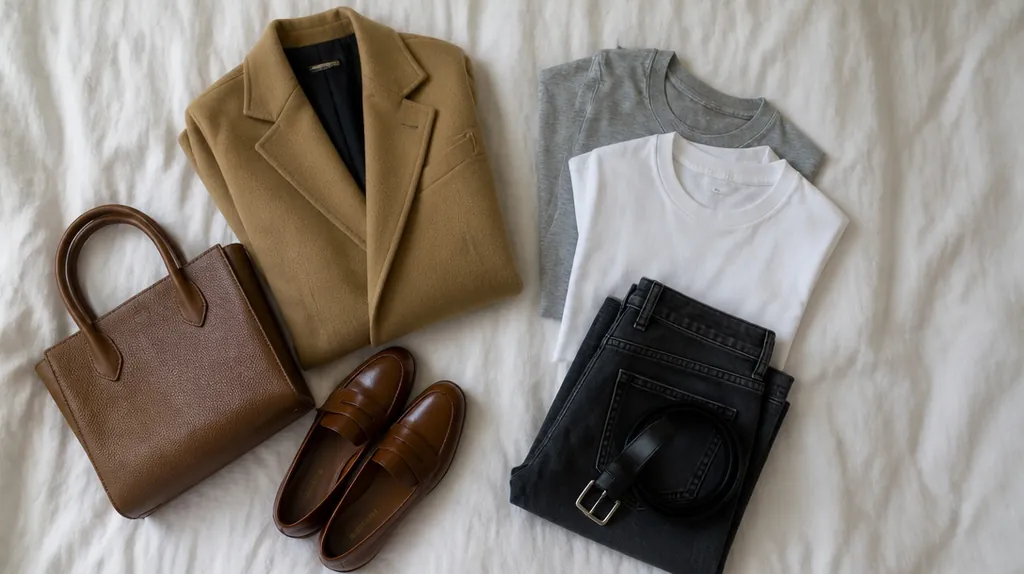
Spend on the pieces people notice and you wear constantly, and save on the rest. Many stylists suggest a rough 70/20/10 split. About 70 percent of your clothing budget goes on basics like tees, everyday trousers, jeans, knitwear and underwear. Around 20 percent goes on a few pieces that make outfits look finished, such as a good coat, a blazer, comfortable leather shoes and a bag. The last 10 percent is for trends and fun pieces you might not keep long.
Cost per wear helps you decide. Divide the price by the number of times you expect to wear something. A $90 coat worn 100 times costs less per wear than a $30 top you wear three times. For the saving side, off-price stores, end-of-season sales, outlet stores and consignment and thrift shops all have good pieces if you check the quality first.
Plan Your Budget With the Calculator
Enter what you can spend and pick the period. The calculator splits it into basics, key pieces and trend pieces, and gives you shopping tips for that budget.
🌟 Smart Wardrobe Budget
Optimize your clothing budget using the 70/20/10 rule
15 Styling Tricks That Make Cheap Clothes Look Better
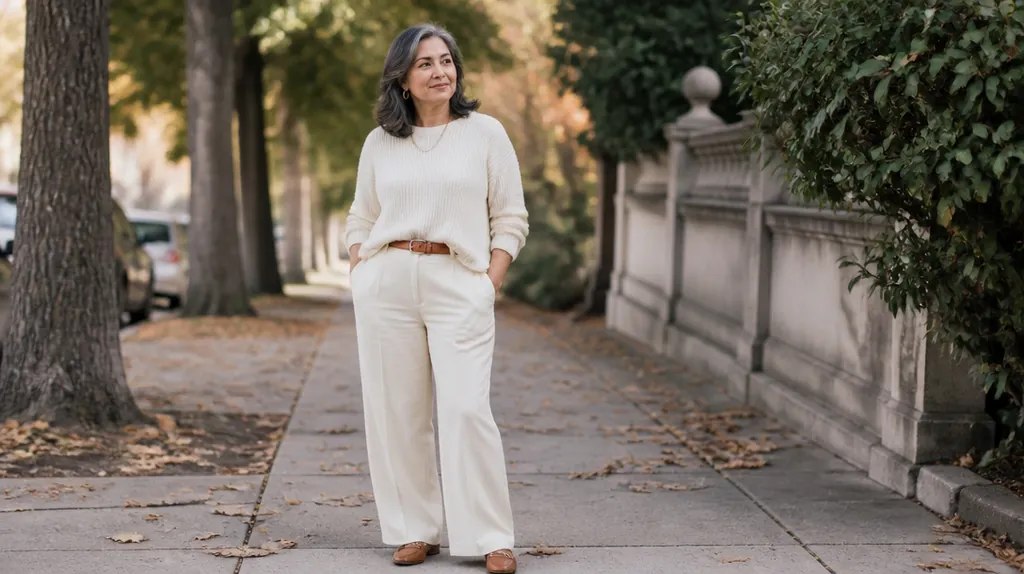
These work with the clothes you already own. You don’t need all of them. Pick a few that suit how you dress and use them every day.
1. Wear One Color Head to Toe
An outfit in one color family, such as cream with ivory, or grey from charcoal to light grey, looks planned and makes you look taller. Mixing a few shades and textures keeps it from looking flat.
2. Lean on Neutrals
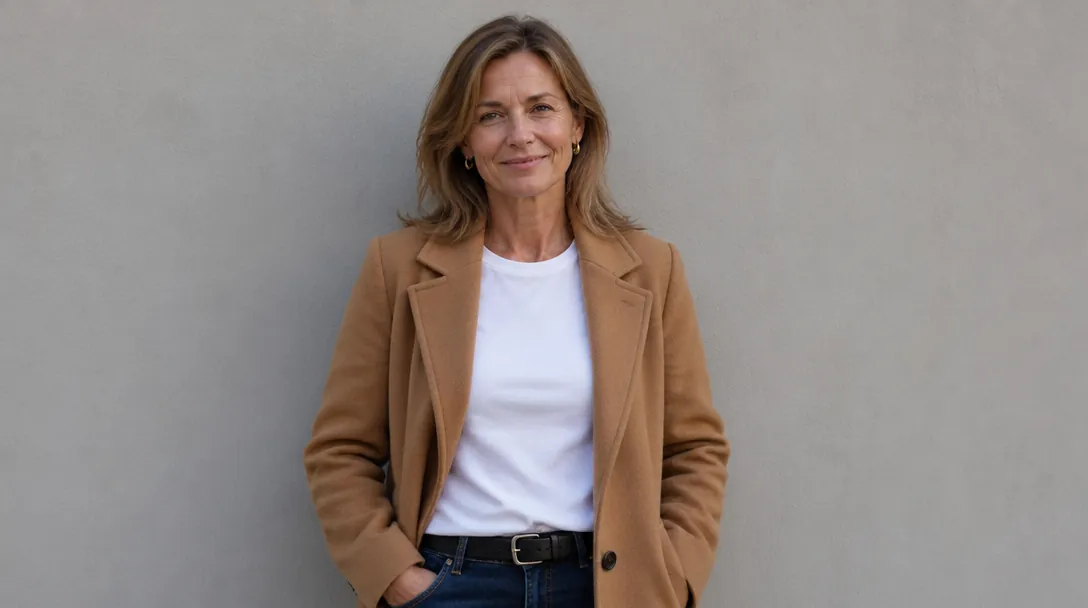
Black, navy, grey, camel, cream and white look more expensive than bright prints, and dark solids hide small fabric flaws. Add color with a scarf or a bag rather than the main pieces.
3. Tuck Your Top
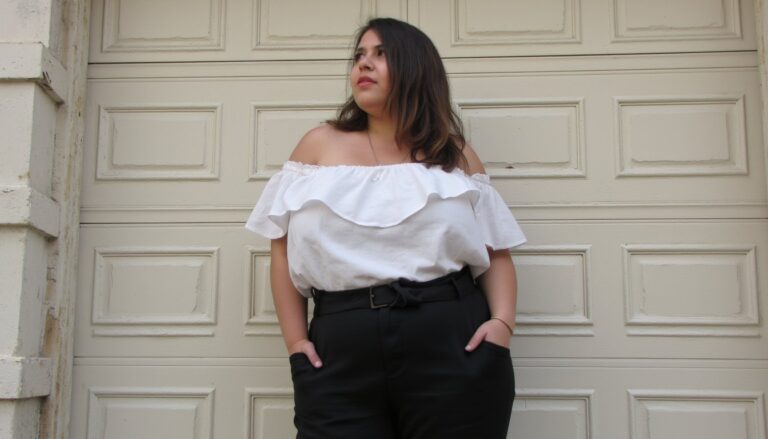
A half tuck in the front, or a full tuck into high-waisted trousers, shows your waist and makes a loose top look styled instead of shapeless.
4. Add a Belt
Plain leather or leather-look belts give trousers and jeans a finished look, and a belt over a dress or a long cardigan adds shape. Choose a simple buckle over a big logo.
5. Add a Third Piece
Throw a blazer, a long cardigan, a denim jacket or a scarf over a basic top and trousers, and the outfit looks complete. It’s the simplest way to make a $10 tee look like a choice.
6. Swap the Buttons
Plastic buttons are often the first thing that gives a cheap jacket or cardigan away. Replacing them with metal, horn or shell-look buttons costs a few dollars, and sewing on a button takes ten minutes.
7. Choose Matte Over Shiny
Shine shows every crease and seam and tends to look synthetic. When you’re choosing between two similar pieces, the matte one almost always looks more expensive.
8. Steam Everything
Wrinkles make clothes look cheap faster than anything else. A small handheld steamer takes creases out of most fabrics in a minute or two, including synthetics you can’t iron.
9. Remove Pills
Little balls of fuzz on sweaters and leggings make them look old. A battery fabric shaver costs about the same as one cheap top and makes knitwear look new again.
10. Match Your Blacks
A faded black top with newer black trousers looks tired. Wear blacks that match in depth, and wash dark clothes inside out in cold water so they fade less.
11. Carry One Good Bag
Carry a structured bag in leather or a good faux leather, in black, tan or brown, and even jeans and a tee look smarter. It’s a sensible place to spend more, since you’ll carry it nearly every day.
12. Keep Jewelry Simple
Small gold or silver pieces, like hoops, a thin chain or a simple watch, look more expensive than large costume jewelry. One piece you notice beats five that compete.
13. Balance the Proportions
If the top is loose, keep the bottom slim, and the other way around. Head-to-toe oversized clothes swamp most people and look sloppy rather than relaxed. This guide to dressing for your body type explains which shapes flatter which proportions.
14. Get the Right Underwear
Visible bra lines, straps and panty lines pull attention to how clothes sit. A well-fitted bra and seamless underwear in a shade close to your skin make every top and dress hang better. Many department stores offer free bra fittings.
15. Get Hem Lengths Right
Trousers that pool at the ankle or sleeves that cover your knuckles look borrowed. Roll sleeves neatly to the forearm, and hem trousers for the shoes you wear with them most. For outfit ideas that put these tricks together, these summer outfits for women over 40 and going-out outfits are good places to start.
Care That Keeps Clothes Looking New
Budget clothes wear out mostly in the wash and the dryer. Washing in cold water, turning clothes inside out and using a gentle cycle keep colors and shape far longer. Air-drying on a rack instead of the dryer prevents shrinking, fading and the tired look that knits get after a few months.
Hang jackets, blazers, blouses and dresses, ideally on wooden or velvet hangers that hold the shoulders. Fold knitwear, because sweaters stretch out of shape on a hanger. Cedar blocks in the closet help keep moths away from wool, and treating stains the same day gives you the best chance of getting them out.
Mistakes That Make Clothes Look Cheap
Some habits undo the work of buying well. Buying a piece in the wrong size because it was on sale is the most common one, since it’ll never look right. Chasing every trend is another, because trend pieces date quickly and look cheap once they do.
Too many accessories at once, mismatched blacks, visible wear like pilling or a missing button, and skipping the care label all show quickly. Grooming matters too. Neat hair, clean shoes and tidy nails make simple clothes look polished.
A Small Capsule to Start With
If you’re building from scratch, a small set of pieces that all go together looks more expensive than a closet full of one-offs. Here’s a good starting point:
- Tops: a white shirt, a black or navy top, two good tees and a neutral sweater
- Bottoms: dark jeans, black or navy trousers and a simple skirt
- Layers: a blazer, a trench or wool coat and a casual jacket
- Shoes: comfortable flats or loafers, clean sneakers and ankle boots
- Extras: one structured bag, a belt and simple jewelry
Choose two neutrals and one color that suits your skin tone, and buy most pieces in those. The same idea works when you travel, as this capsule travel wardrobe guide shows.
Frequently Asked Questions
What’s the fastest way to make cheap clothes look expensive?
Steam out the wrinkles, remove any pilling and get trousers hemmed to the right length. Those three changes make the biggest difference for the least money.
What colors look the most expensive?
Neutrals like black, navy, camel, grey, cream and white, especially worn together or in one color head to toe. Deep jewel tones such as emerald and burgundy also look rich in winter.
Is it worth tailoring cheap clothes?
Yes, for simple alterations on pieces you wear often. Hemming and taking in a waist usually cost less than the garment and make it look far better. Skip big changes on very cheap or poorly made pieces.
How can women over 50 look expensive on a budget?
Focus on fit through the shoulders and bust, fabrics with some weight that don’t cling, and a few good neutrals. A well-cut blazer, simple gold or silver jewelry and polished shoes do more than any trend piece.
Start With What You Own
Before you buy anything new, go through your closet. Steam, de-pill and repair what you have, take the pieces you love to a tailor, and swap a few buttons. Then use the budget split to plan the next purchases, and check the quality of everything before it goes in your basket.
Fit, fabric and finish will do more for how expensive your clothes look than any label, and all three work on a small budget.