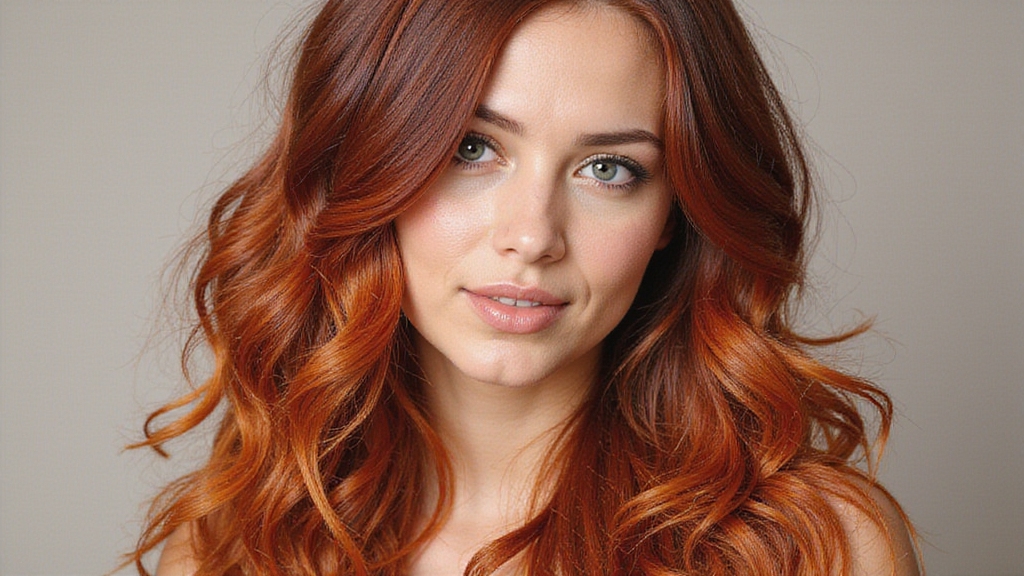
21 Auburn Hair Color Ideas, From Copper to Mahogany
Auburn sits between red and brown, so it’s warm without being as bold as true red. It suits more skin tones than most people expect and does a good job of blending gray.
These 21 shades run from light copper to deep mahogany. For brighter reds, see these red hair color ideas.
1. Classic Auburn Hair Color
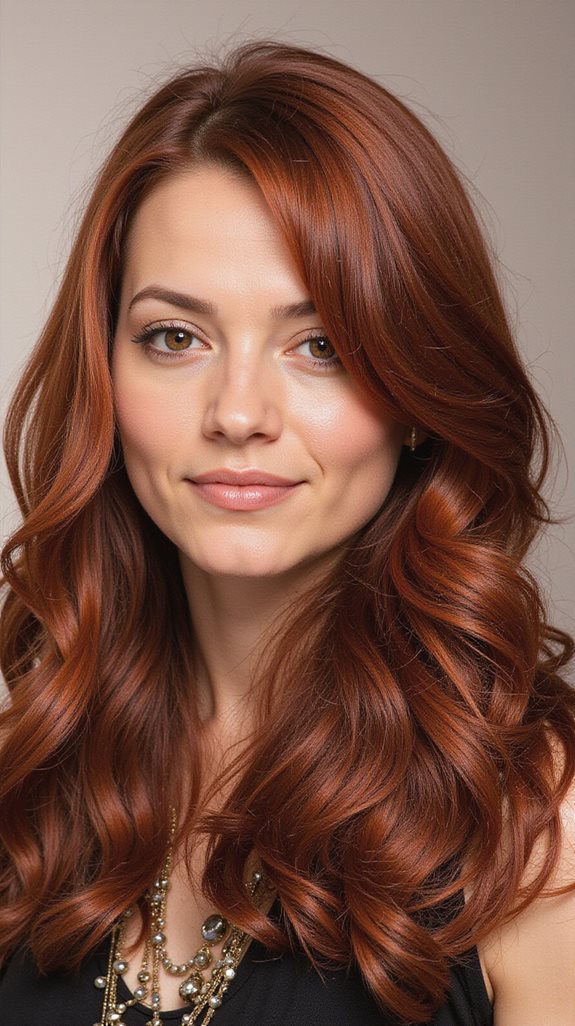
This classic shade has a natural depth that makes it one of the most requested hair colors. The color shifts subtly with the seasons, deepening into mahogany and burgundy tones during cooler months and brightening toward copper hues in warmer seasons.
Maintaining classic auburn requires sulfate-free shampoos and color-depositing conditioners designed for red-brown shades. This extra care is essential because auburn tones tend to fade more quickly than cooler hair color categories.
2. Deep Auburn for Dark Hair
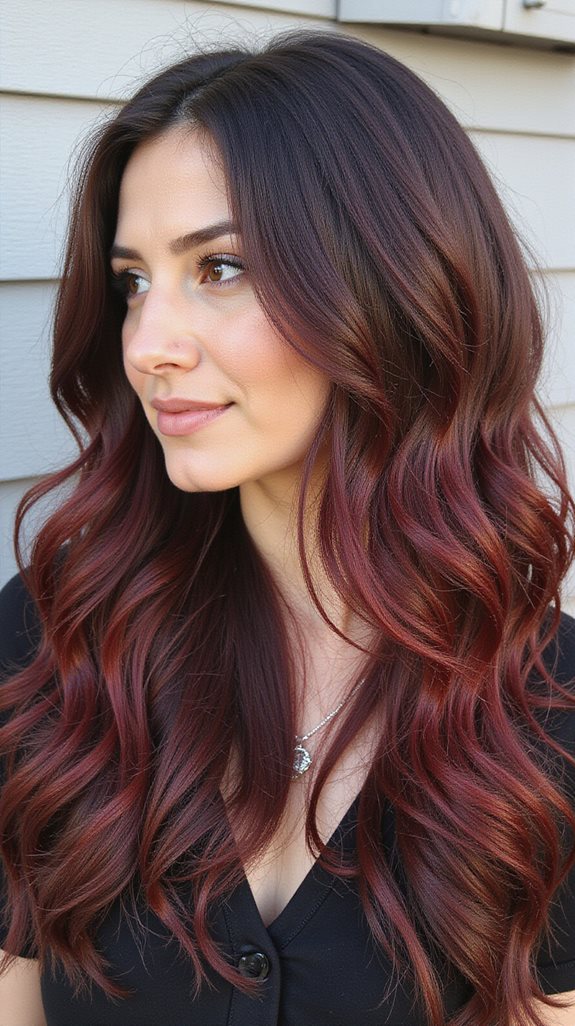
Deep auburn on dark hair layers warm red-brown over a naturally dark base for rich depth.
Colorists often use balayage or foils for bright shine without harsh lines. Rich auburn undertones look especially warm on deeper skin tones.
Selecting a 20-volume developer helps lift dark pigment adequately while preserving hair integrity for DIY applications.
Seasonal trends favor deeper auburns during fall and winter months, aligning with warmer, earthier palettes.
Sulfate-free shampoos and regular gloss treatments help sustain color intensity between salon appointments.
3. Light Auburn Hair Color
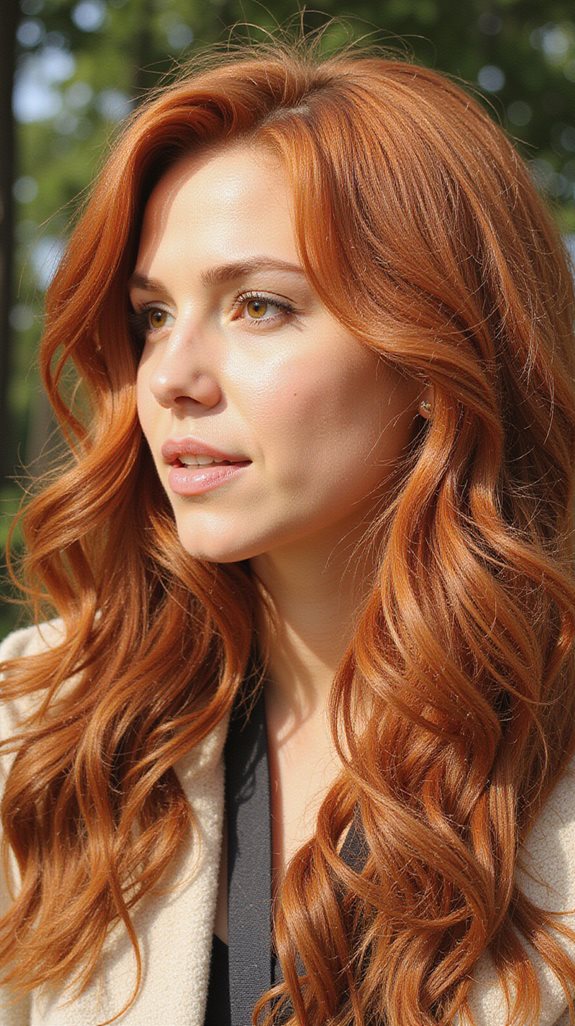
Light auburn is a warm, radiant hair color that blends soft red and brown tones into a naturally sun-kissed look. It sits between deep copper and light chestnut, so it suits a wide range of skin tones.
Its rich depth catches the light and makes hair look fuller.
Maintaining light auburn requires a dedicated routine to preserve its warm vibrancy. Color-depositing shampoos, regular gloss treatments, and minimal heat styling all play a role in keeping the shade fresh and true.
Protecting hair from UV exposure also helps prevent the tone from fading into a flat, dull orange over time.
4. Bright Copper Auburn Hair
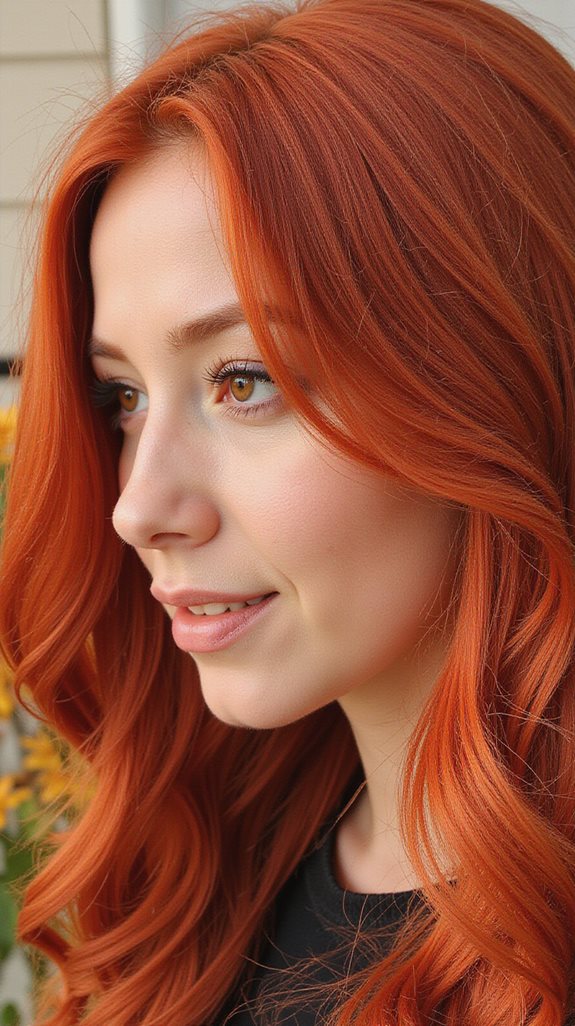
Bright copper auburn is a vivid, high-saturation shade that leans into intense flame-like orange-red tones for a dramatically radiant finish. It suits fair to medium complexions with warm or neutral undertones, catching light in a way that makes the color appear almost luminous.
Colorists typically achieve this look using high-lift demi-permanent or permanent formulas enriched with copper and red pigment boosters.
Because this shade fades faster than deeper tones, upkeep is essential to maintaining its brilliance. Color-depositing shampoos, UV-protective styling products, and cold-water rinsing help preserve the pigment between appointments.
Glossing treatments and touch-ups every four to six weeks prevent the hue from shifting into a dull, washed-out orange.
5. Auburn Balayage Hair Color
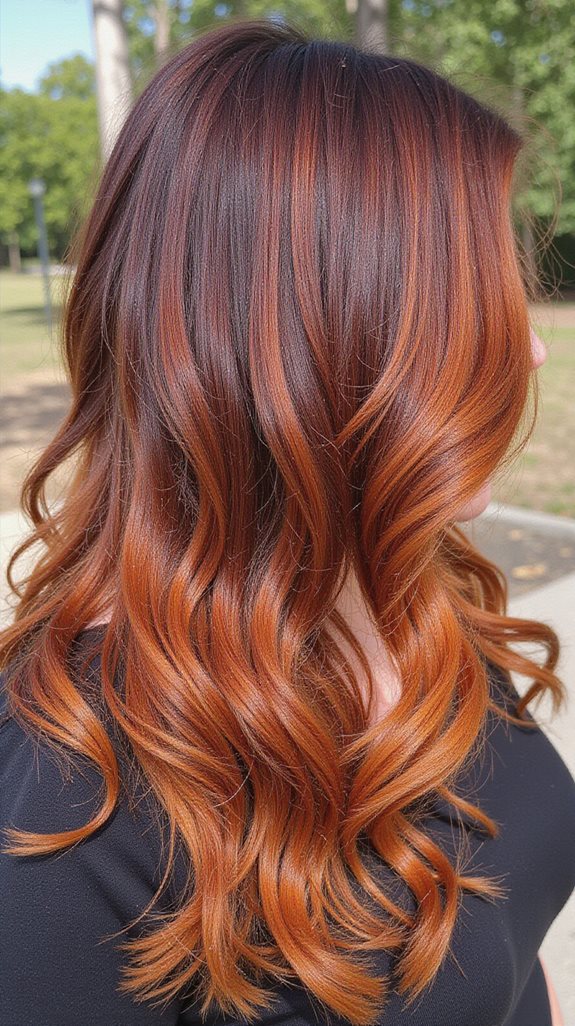
Auburn balayage is hand-painted color that blends warm auburn softly into your natural base. It creates a sun-kissed gradient effect that eliminates harsh regrowth lines seen with traditional highlights.
The intensity can range from lighter copper shades for fair skin to deeper mahogany tones for darker complexions.
The color is strongest on the mid-lengths and ends, with darker roots, for a glossy, layered finish.
Maintaining auburn balayage requires sulfate-free shampoo, weekly color-depositing conditioner, and gloss treatments every six to eight weeks.
Using less heat also helps the color last and keeps auburn bright longer.
6. Auburn Ombre Hair Ideas
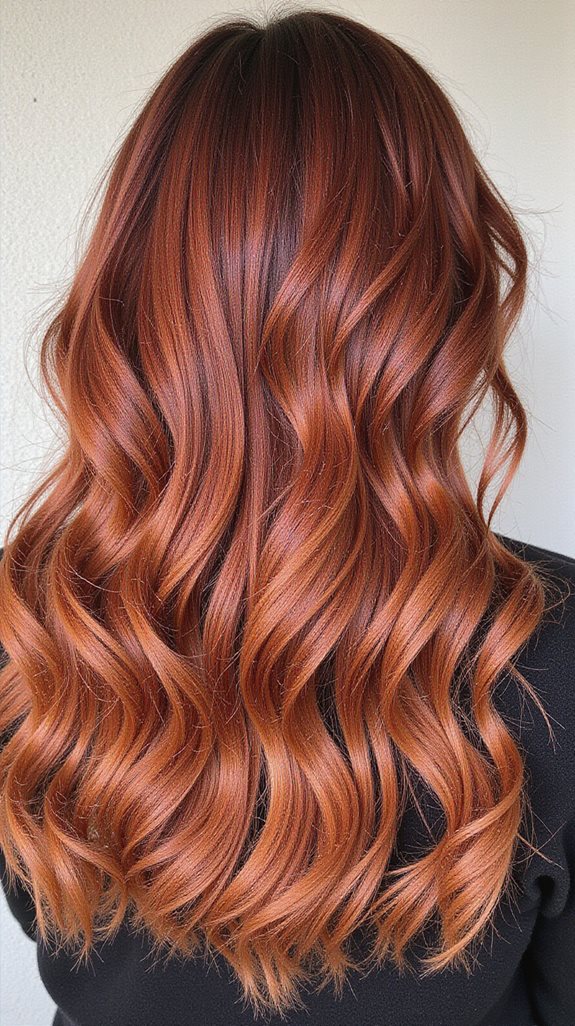
Auburn ombre hair blends dark roots into rich mid-tones before transitioning into warm copper or strawberry-blonde ends. Careful sectioning and color placement give soft, bright blending without stripes.
Choosing shades within two or three of each other keeps it natural and layered. The depth of contrast determines the final result, with subtle versions featuring compressed transition zones and dramatic styles pulling lighter tones closer to the roots.
Applying a bond-protecting treatment during processing helps minimize structural stress caused by working across multiple color levels. A finishing toning gloss unifies warmth throughout all transitional zones for a polished, cohesive look.
7. Auburn Highlights on Brown Hair
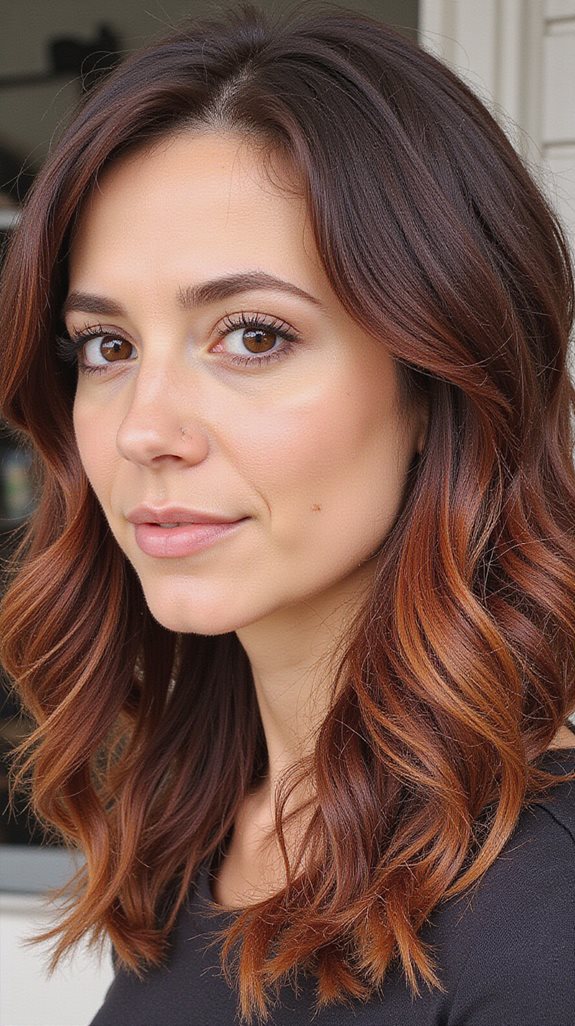
Auburn highlights on brown hair add warmth and depth with pieces of copper, chestnut or red placed through the base.
Techniques like balayage, foiling, or babylights allow precise placement, enhancing shade variations without overwhelming your natural tone. Auburn can be a soft hint of warmth or a bold contrast, depending on how far you want to go.
For color maintenance, use sulfate-free, color-safe shampoos and cold-water rinses to preserve vibrancy.
Richer, deeper tones suit autumn and winter, while lighter copper highlights reflect seasonal trends for spring. Highlights through the hair keep the look modern, and good care keeps it fresh.
8. Strawberry Auburn Hair Color

This shade adds lovely depth without committing to a bold red. Strawberry auburn looks best with soft blending like balayage or color melting, which fades one shade into the next.
Maintaining the color requires sulfate-free shampoos, weekly conditioning treatments, and gloss refresh appointments every six to eight weeks. These steps keep the golden-pink tones bright and stop brassiness or dullness.
9. Dark Auburn With Red Highlights
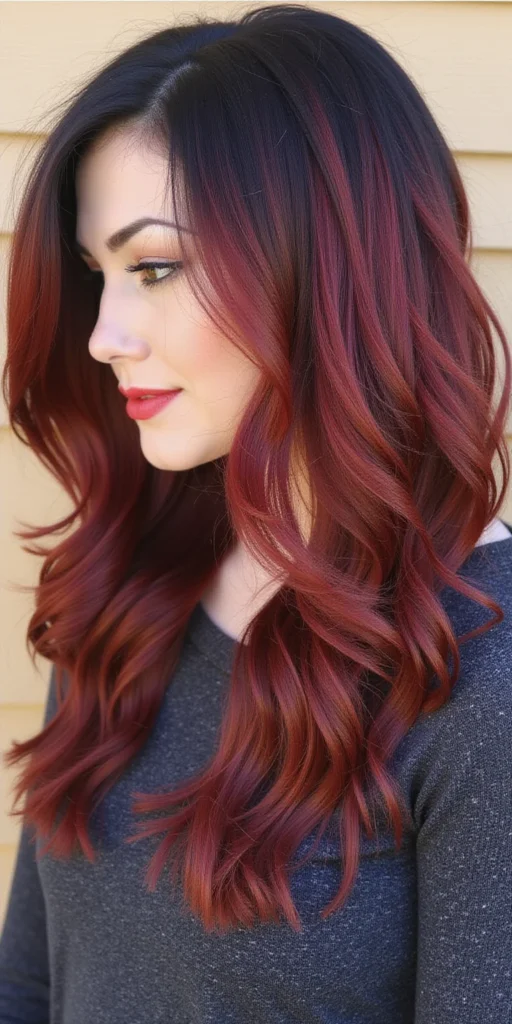
Techniques like foiling, balayage, and babylights allow precise control over placement and intensity, each delivering a distinct finish. Foiling creates bold, defined contrast, while balayage produces softer, more blended transitions.
Highlights are typically concentrated around face-framing sections, mid-lengths, and ends to maximize visual impact.
A colorist usually picks a red one or two shades lighter than your base so it blends in. The result is a polished, multidimensional look that appears luminous and dynamic under both natural and artificial lighting.
10. Auburn Hair Color for Fair Skin
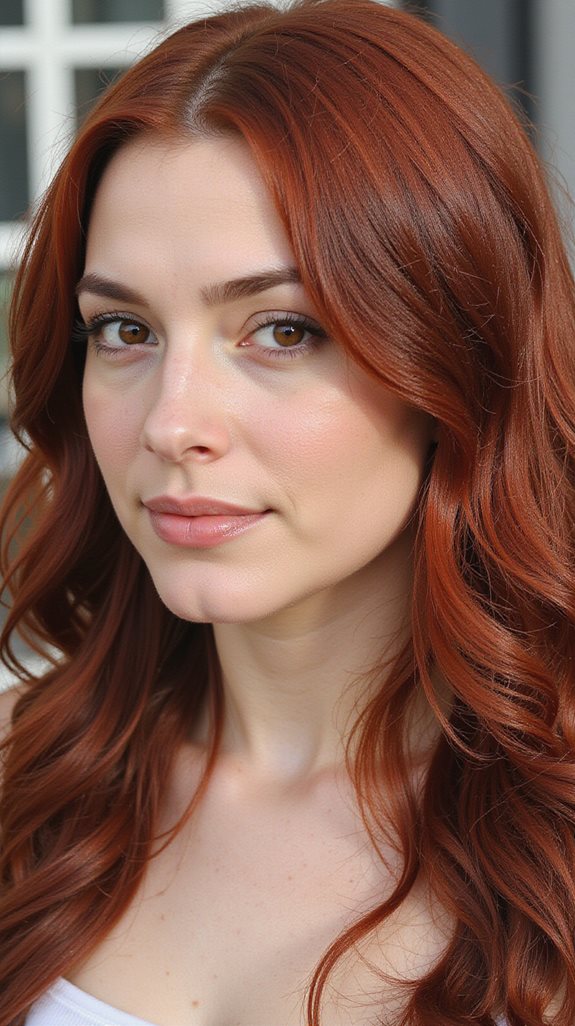
Auburn is a lovely choice for fair skin, since its warm red and brown tones stand out against a light complexion. Shades like strawberry auburn and light copper auburn are particularly flattering, aligning with current trends while complementing natural undertones.
These hues enhance fair skin without overwhelming delicate features.
Auburn on fair skin needs a steady care routine to keep the shade bright and true. Sulfate-free shampoos, color-safe conditioners, and gloss treatments every four to six weeks help preserve the richness of the color.
Minimizing heat styling also prevents premature fading, ensuring the auburn shade remains radiant and long-lasting.
11. Auburn Hair Color for Olive Skin
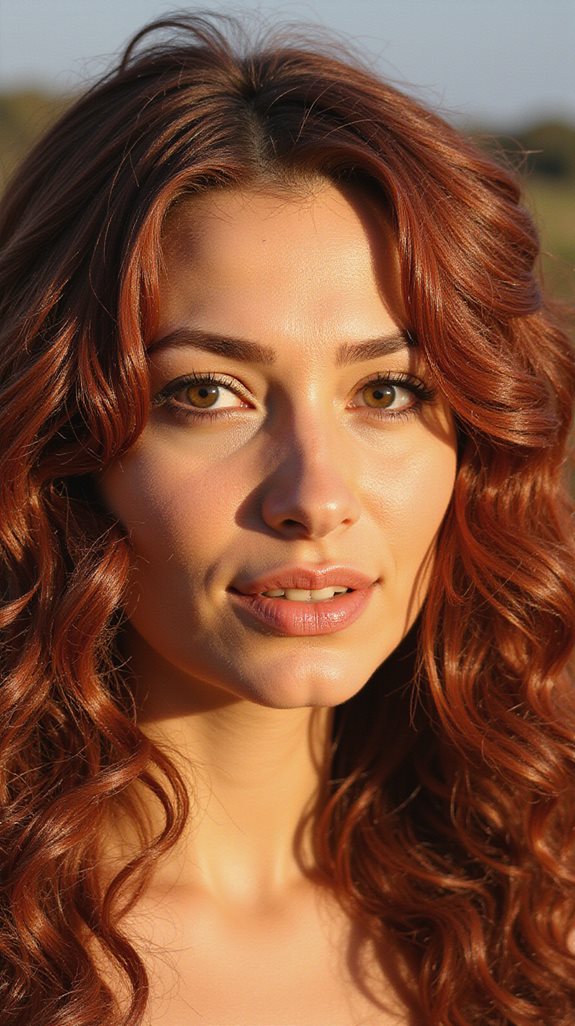
Olive skin tones pair well with auburn shades that carry deep, warm undertones, creating a rich and harmonious contrast.
The best auburn shades for olive complexions include mahogany, chestnut auburn, and copper-brown blends, which amplify your skin’s warmth without overwhelming it. Overly bright or cool-toned reds should be avoided, as these create unflattering contrast against olive complexions.
Color-safe, sulfate-free shampoos are essential for preserving vibrancy and preventing premature fading. Gloss treatments scheduled every four to six weeks help maintain depth and luminosity throughout the hair.
UV-protectant hair products should be applied regularly, as sun exposure accelerates color oxidation and shifts warm auburn tones toward unwanted brassy or faded results.
12. Auburn Hair Color for Dark Skin
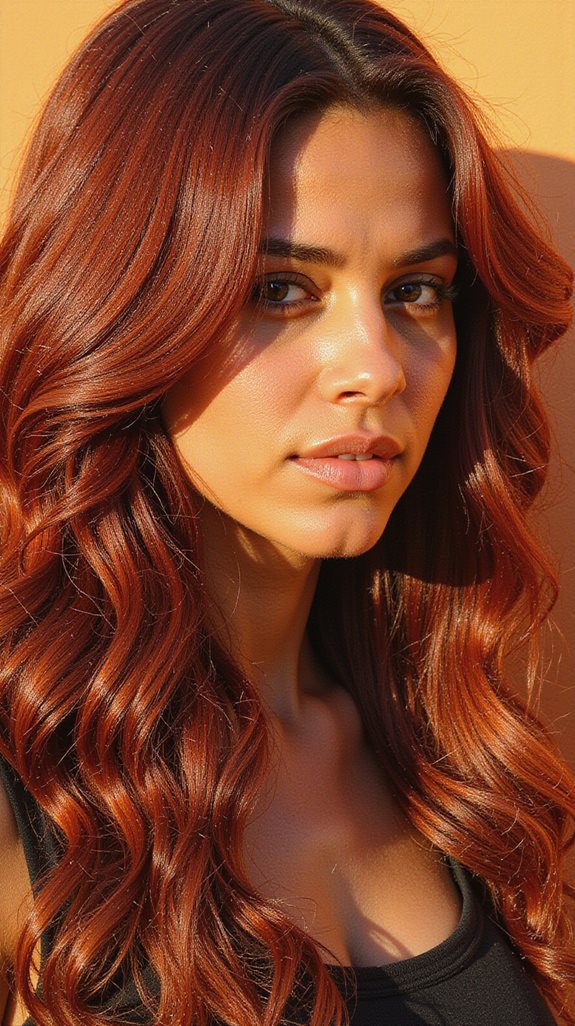
Auburn is a beautiful choice for dark skin, with rich, warm tones that flatter deeper complexions. Shades like burgundy auburn, mahogany auburn, and deep copper-red create visible contrast while maintaining warmth against deeper skin undertones.
These rich shades suit your natural skin tone and add depth and brightness.
Balayage and well-placed highlights spread the color naturally so it doesn’t look flat. A skilled colorist will apply lightener selectively before depositing auburn pigment, ensuring the color registers boldly against darker base tones.
Maintaining the look involves sulfate-free shampoos, regular gloss treatments, and color-depositing conditioners designed for red tones.
13. Short Auburn Hair Color Ideas
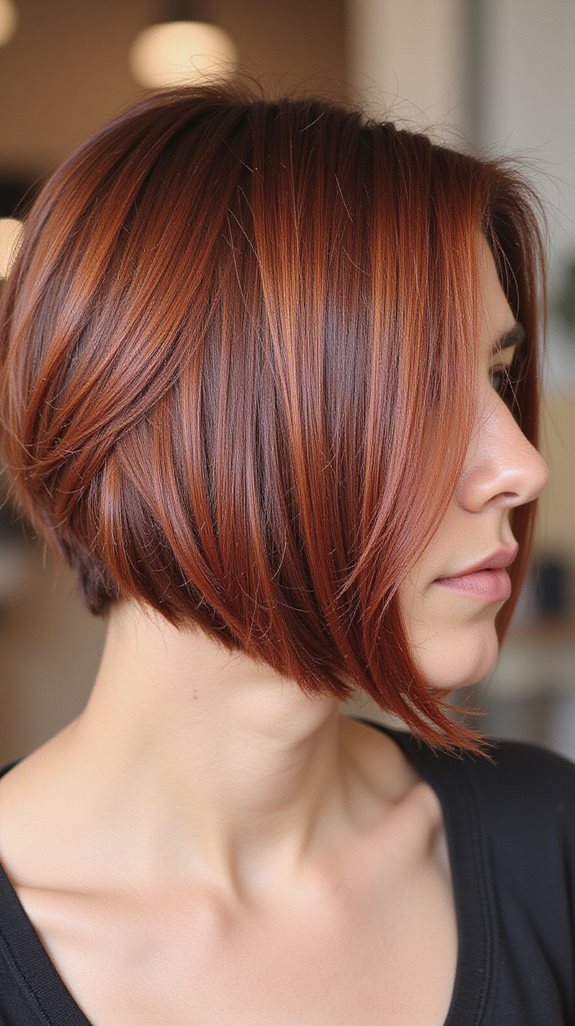
The shorter length makes the color look deeper, so copper, mahogany and red tones look brighter. Cuts like pixie styles and layered bobs work especially well for highlighting auburn’s natural brilliance.
The right short cut lets the color play with light and movement. A layered bob creates tonal variation across graduated lengths, while a pixie cut concentrates the color for a striking, focused effect.
A few highlights near the crown add depth without taking over the cut.
14. Auburn Hair Color for Brunettes
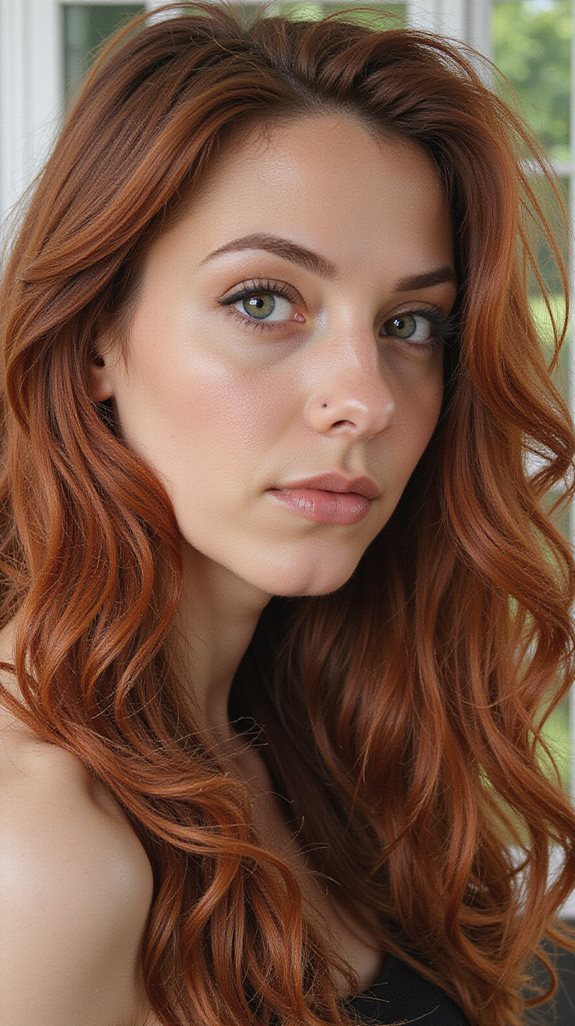
Brunettes transitioning to auburn hair color benefit from their existing dark base, which provides a natural foundation for rich, warm tones. Auburn over natural brunette pigment gives a depth that lighter hair can’t match. This process requires minimal bleaching, making it a less damaging option overall.
Balayage and babylights work well on brunette bases, with warm copper and chestnut placed through the hair.
Auburn shades within two or three shades of your natural brunette give the most natural, sun-kissed results.
Darker auburn varieties like mahogany and burgundy-auburn blends complement brunette pigment particularly well.
15. Burgundy Auburn Hair Color
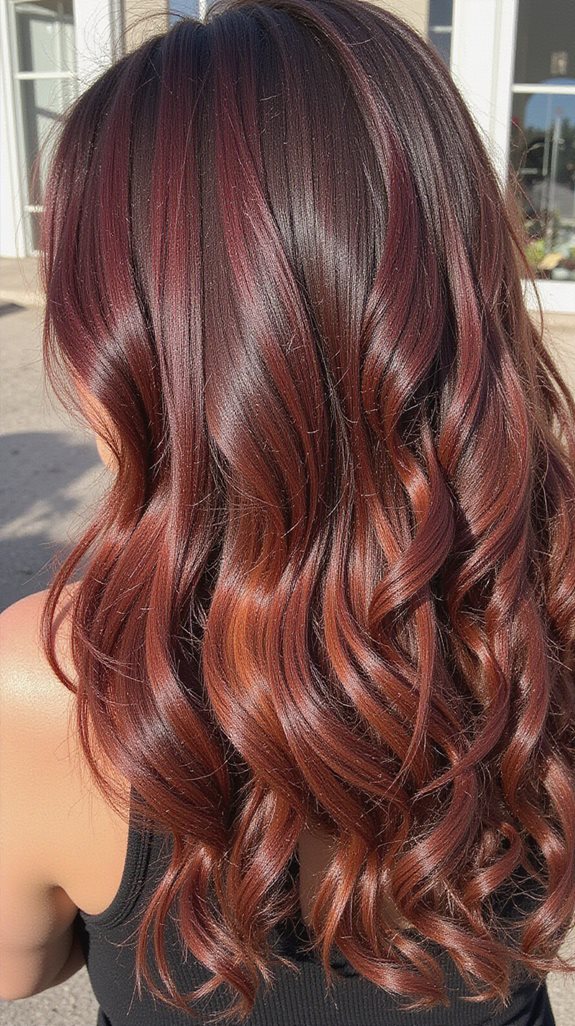
It complements a wide range of skin tones, particularly those with warm, olive, or deep complexions.
For rich depth, your colorist layers burgundy-based tones, darker at the roots and warmer through the mid-lengths.
Using a semi-permanent or demi-permanent formula helps maintain color vibrancy between appointments. Toning sessions every six to eight weeks are recommended, as burgundy pigments tend to fade faster than natural-based auburn shades.
16. Natural-Looking Auburn Hair Color
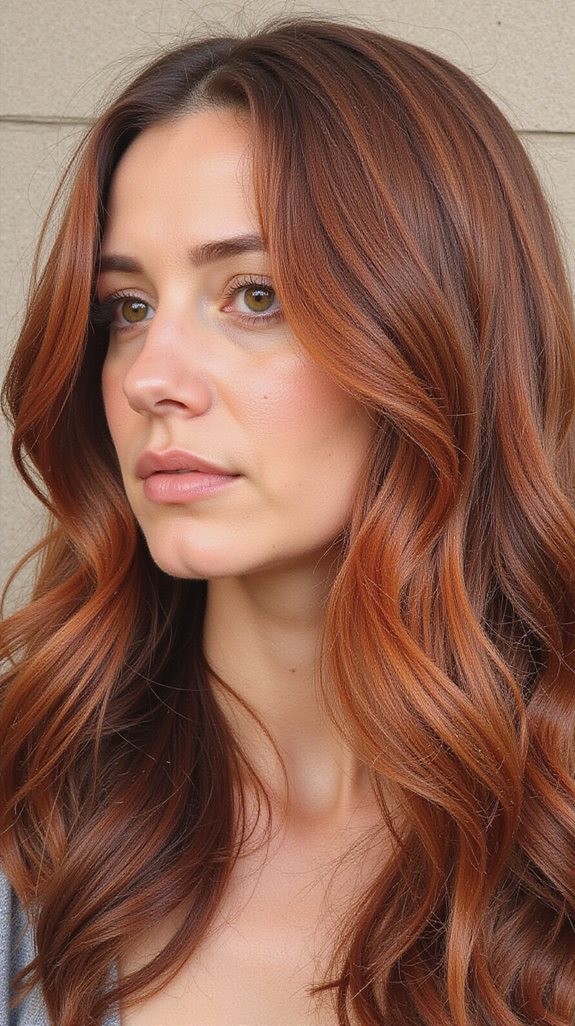
Achieving a natural-looking auburn hair color requires consistent care and the right maintenance routine. Using color-safe, sulfate-free products helps preserve tonal integrity between salon visits, while touch-ups every six to eight weeks prevent harsh regrowth lines.
Small changes through the seasons keep auburn looking natural all year. Warmer, brighter coppers complement spring and summer, while deeper burgundy-auburn blends suit fall and winter perfectly.
Shifting your formula seasonally rather than committing to one static shade ensures a fresh, natural appearance year-round.
17. Auburn Hair Color With Lowlights

Auburn hair with lowlights has lots of depth and turns a flat, single shade into layered color. Deep mahogany, chestnut and burgundy make good lowlights and bring out the natural warmth of auburn.
Placed with care, they give a soft, natural result that suits many skin tones.
Auburn lowlights stay bright with regular care, including sulfate-free shampoo and a gloss every six to eight weeks.
Seasonal adjustments help maintain a fresh look, with darker, warmer tones trending in fall and lighter combinations suiting spring palettes.
Good care keeps the lowlights crisp and clear.
18. Warm Chestnut Auburn Hair

Warm highlights through the mid-lengths and ends add depth, just like hair lightened by the sun.
Achieving this look requires a Level 5–6 base with a copper-brown pigment load, complemented by golden-amber highlights at Level 7–8. A sheer, warm-neutral gloss after lightening ties the tones together.
Color longevity depends on sulfate-free protective shampoo and gloss refresh appointments scheduled every six to eight weeks.
19. Auburn Hair Color for Blondes

Blondes transitioning to auburn start with a natural advantage, as lighter base tones allow copper-red pigments to deposit more vibrantly and evenly. The existing lightness reduces the need for pre-lightening, making the process less chemically intensive.
Rich auburn from strawberry copper to deep mahogany is possible without harsh processing, and the color glows in natural light.
Red pigments have smaller molecular structures, causing them to fade faster than other tones, so consistent maintenance is essential.
Sulfate-free, color-protecting shampoo and limiting washes to two to three times weekly will help preserve vibrancy.
Applying a color-depositing conditioner bi-weekly and scheduling gloss treatments every four to six weeks keeps auburn looking rich and extends its longevity between salon visits.
20. Bold Red Auburn Hair Color
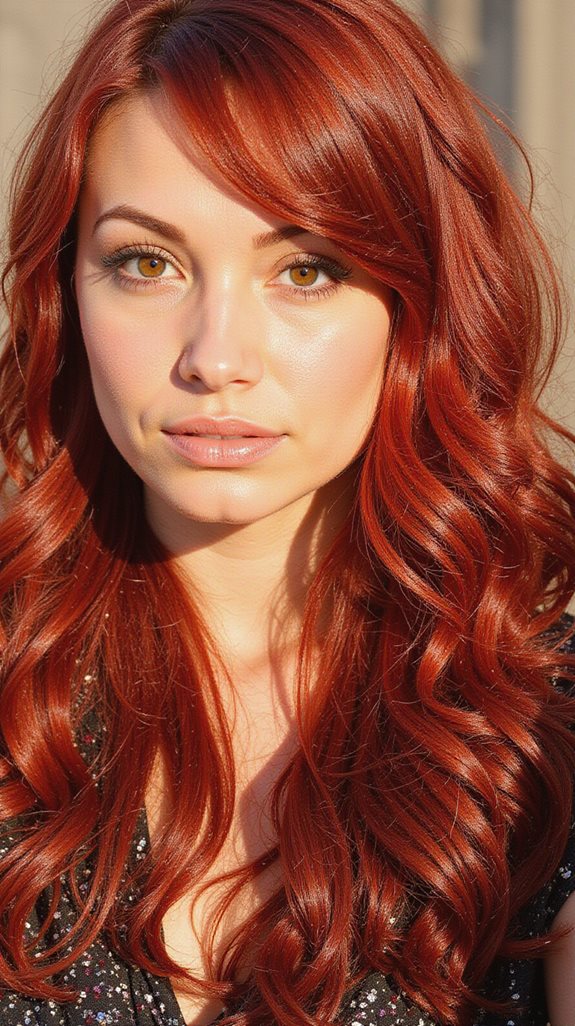
Bold red auburn sits between bright crimson and classic auburn, a bold shade that stands out without looking fake. Strong red pigmentation balanced by warm brown undertones prevents the result from reading as costume-like.
It works best on medium to deep base colors, where strong contrast between highlights and shadow adds depth.
On lighter bases, toning adds warmth and keeps the color rich. Expect accelerated fading with this intensity level, making color-depositing conditioners and sulfate-free cleansers essential to your maintenance routine.
Gloss treatments every four to six weeks will sustain saturation and prevent the tone from shifting toward dull copper prematurely.
21. Auburn Hair Color for Gray Coverage

Auburn is one of the best shades for covering gray, since it blends silver strands and adds rich warmth that suits many skin tones. Its red-brown pigment deposits densely over gray strands, avoiding the harsh contrast that darker shades often produce.
Medium-to-deep auburn tones perform best on coarser gray hair, as the pigment adheres more effectively to resistant strands.
Maintaining auburn color requires consistent care to preserve its vibrancy and extend coverage between appointments. Scheduling gloss treatments every four to six weeks counteracts fading, while sulfate-free shampoos protect color integrity significantly longer.
Auburn also allows soft root blurring, so regrowth shows less between color appointments.
Frequently Asked Questions
Does auburn hair suit cool skin tones?
Yes, if you pick a cooler, more burgundy auburn. Very warm, orange auburns suit warm skin tones best.
Will auburn cover gray hair?
Auburn blends gray well because its warm tones soften the contrast. Permanent color covers it best.
How do I keep auburn from fading?
Wash with cool water and a sulfate-free shampoo, use a color-depositing conditioner and book a gloss every six to eight weeks.
Choosing Your Auburn
Light auburn and copper suit fair and warm skin, while deeper mahogany and burgundy suit olive and darker skin.
A gloss between appointments keeps the red tones bright, so bring it up with your colorist.




One Comment