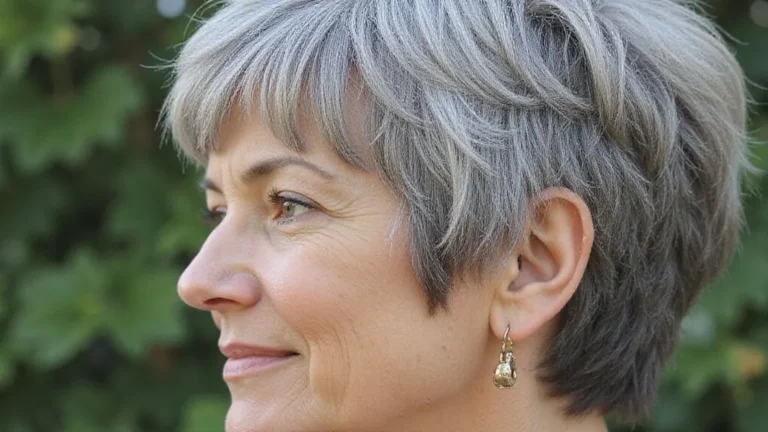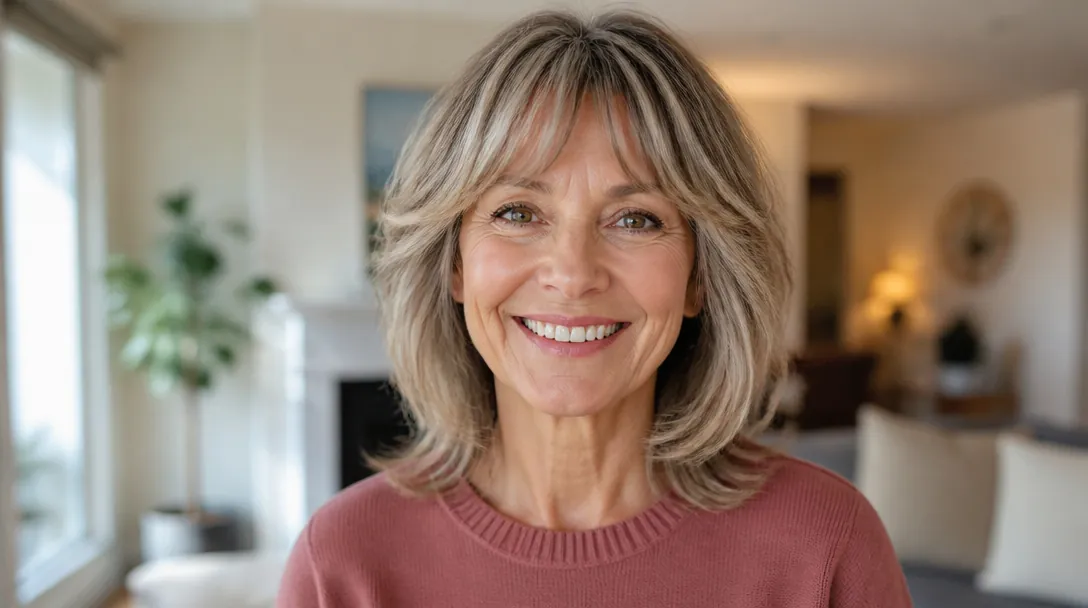
23 Shag Haircuts for Women Over 60
Hair often gets finer at the crown and drier at the ends after 60, and a one-length cut tends to make both more obvious. A shag answers that with stacked layers that add lift on top and take weight off the bottom, so your hair looks fuller with less work.
These 23 shag haircuts for women over 60 cover short, medium and long lengths, straight and curly hair, and silver as well as color. If you’d like ideas for a slightly younger crowd too, these shag haircuts for women over 50 show more styles.
Why a Shag Works So Well After 60
A shag puts short layers on top of the head and longer ones toward the ends, so volume sits where hair tends to thin first. The layers also break up uneven gray texture and soften the face without bangs you have to fight with. When you book the cut, these are the details that matter most.
- The shortest layers at the crown for lift
- Ends kept full rather than thinned into wisps
- Bangs long enough to sweep aside, if you want them
- Texture cut in with point cutting or a razor, depending on your hair
- A shape that suits how you’ll dry it on most days
1. Classic Shoulder-Length Shag
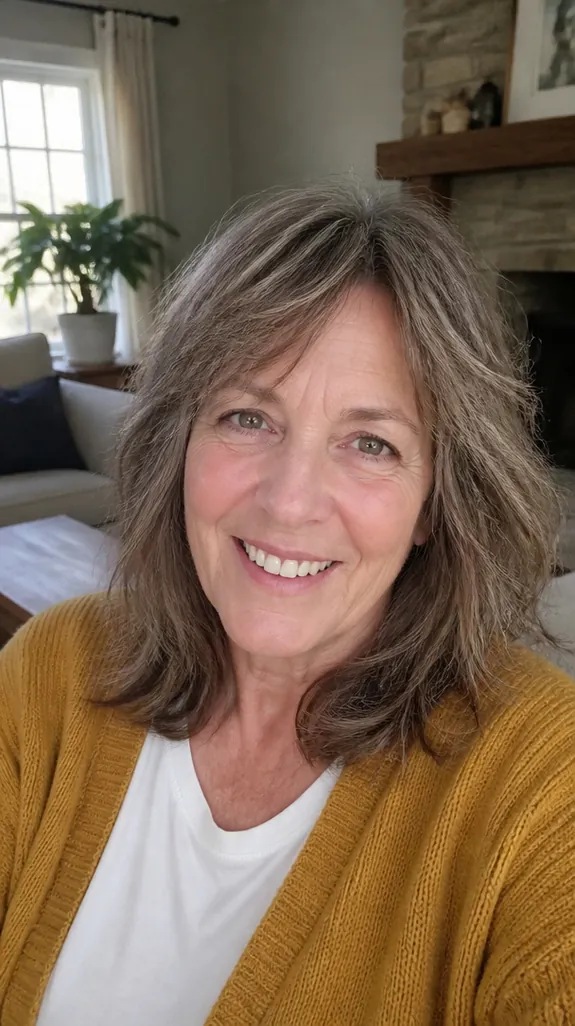
The classic shag sits at the shoulders, with short layers near the top that get longer toward the ends. It’s the version most stylists picture when you mention a shag, and the movement around the cheekbones lifts the whole face.
Medium-thick hair with some natural wave shows the layers best. Scrunch in a light mousse and let it air-dry, then separate a few pieces with your fingers. Plan on a cut every eight to ten weeks to keep the crown full.
2. Short Shag With Wispy Bangs
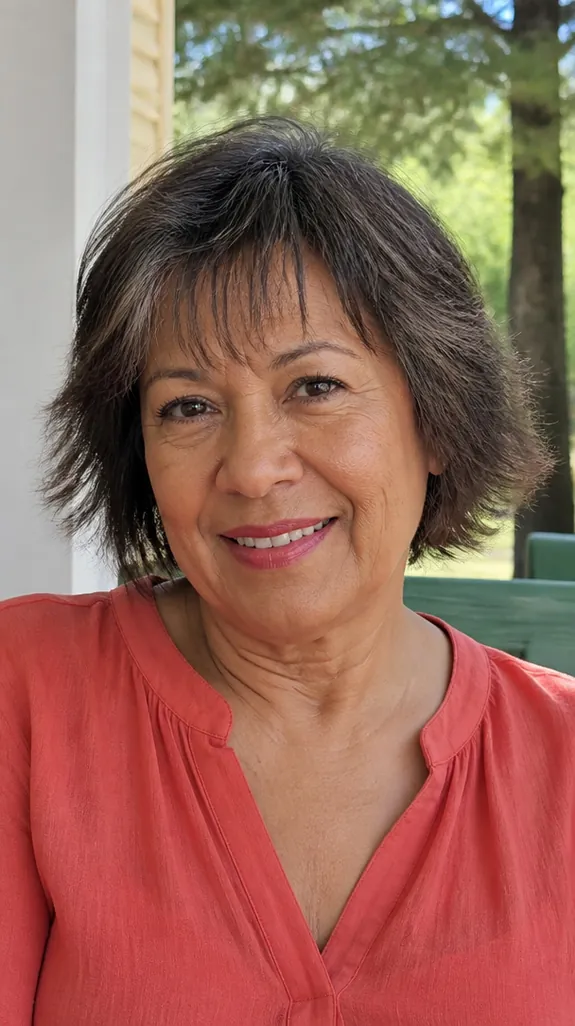
A short shag that ends around the jaw keeps the choppy layers but drops the length, so it dries faster and takes less styling. Wispy bangs soften the forehead and draw attention to your eyes.
Keep the bangs thin enough that they don’t sit in a heavy line, and push them in different directions with your fingers as they dry. A texture spray on dry hair gives the layers their piecey finish. For more short ideas, see these short hairstyles for women over 60.
3. Silver Shag

Gray and white hair catches the light differently on each layer, so a shag makes silver look brighter and more dimensional than a solid cut. The movement also hides the uneven texture that gray often brings with it.
Use a purple shampoo once a week to keep yellow tones away, and finish with a lightweight shine spray. If you’re still growing out color, these ways to transition to gray hair help you get through the in-between months.
4. Shag With Curtain Bangs
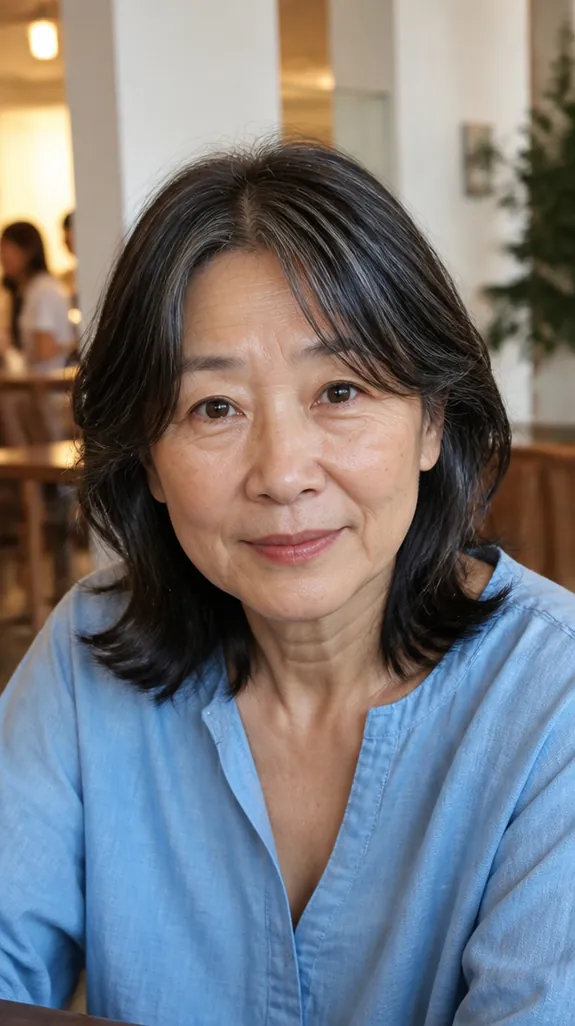
Curtain bangs split in the middle and sweep toward each cheek, framing the face in a way that softens lines around the eyes. With a shag, they blend into the layers instead of sitting apart from them.
Have the bangs cut to end around the cheekbones so they’re easy to push aside on busy days. Blow-dry them with a small round brush, rolling each side away from your face. This guide to curtain bangs on short hair shows more lengths.
5. Pixie Shag
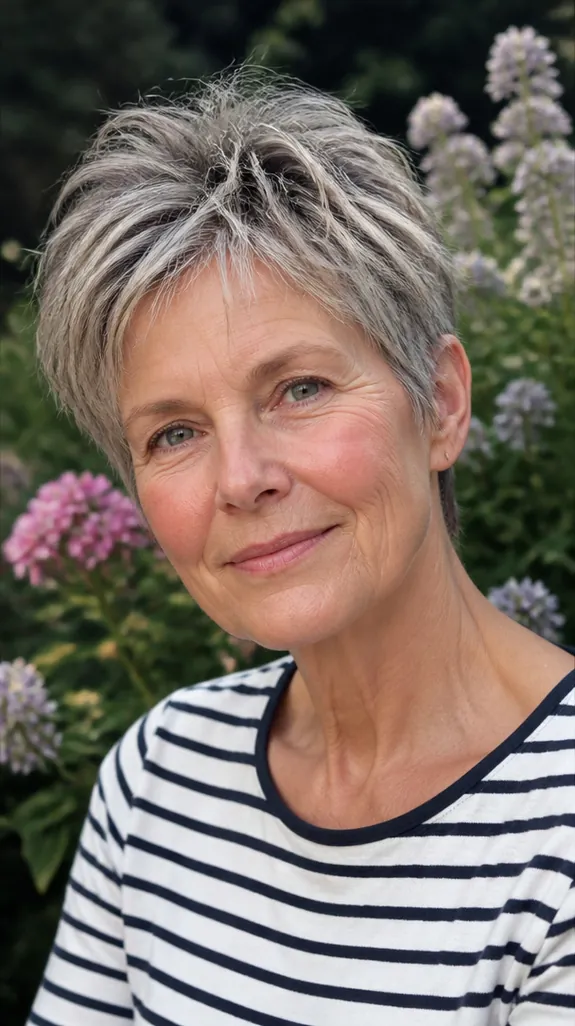
A pixie shag keeps a pixie’s short back and sides but adds longer, choppy layers on top. It’s a good way to go short without losing the soft, lived-in look of a shag.
Rub a small amount of paste between your palms and twist a few top pieces. It dries in minutes and works well on fine hair, since short layers make thin hair look fuller. Book a trim every five to six weeks to keep the top from drooping.
6. Chin-Length Shaggy Bob
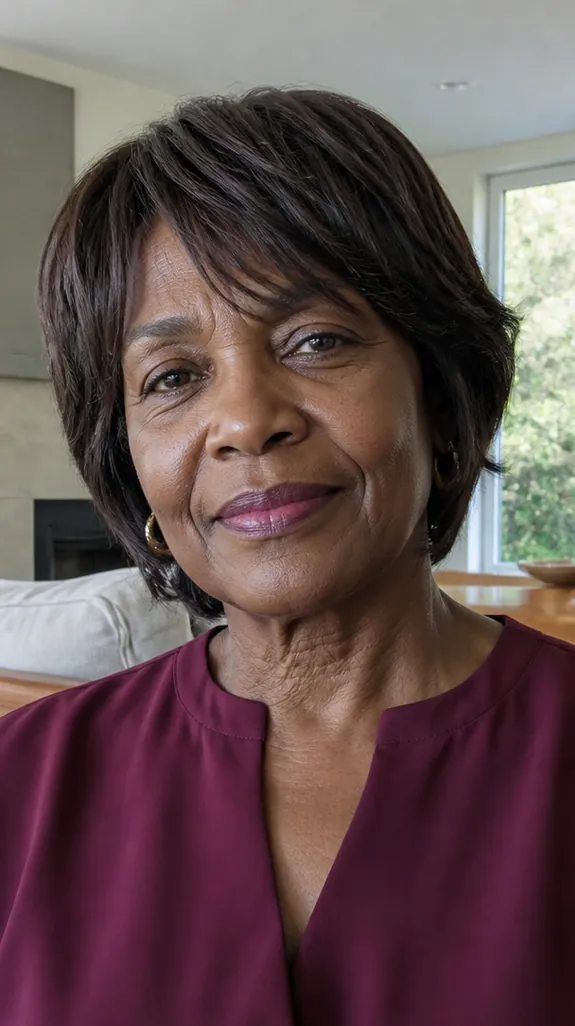
A shaggy bob pairs a bob’s chin-length outline with layered, textured ends. It’s tidy enough for dressier days and relaxed enough to wear air-dried on the weekend.
Blow-dry it with a paddle brush for a smoother look, or scrunch it for more texture. It suits straight and wavy hair, and it grows out into a lob without an awkward stage in between. It’s a good choice if you want a shag but aren’t ready to give up the familiar outline of a bob.
7. Shag for Fine, Thinning Hair
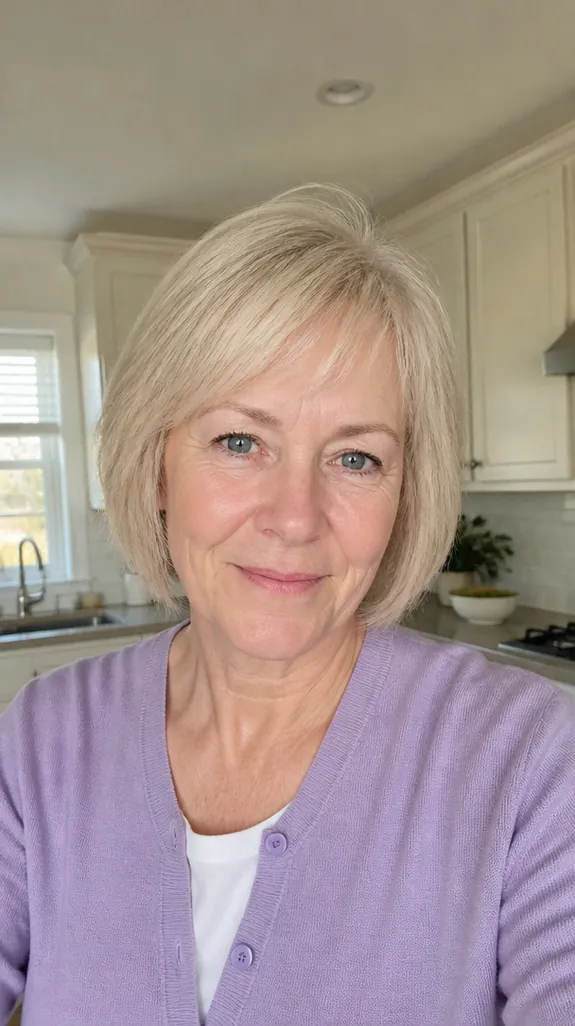
Fine hair needs a lighter touch, so a shag for thinning hair uses fewer layers and keeps the ends fuller. The short layers sit at the crown, where they add lift without leaving the bottom looking sparse.
Spray a volumizer at the roots and dry with your head tipped forward. Heavy creams flatten fine hair, so skip them. These short cuts for thin, fine hair include more options with built-in volume.
8. Curly Shag
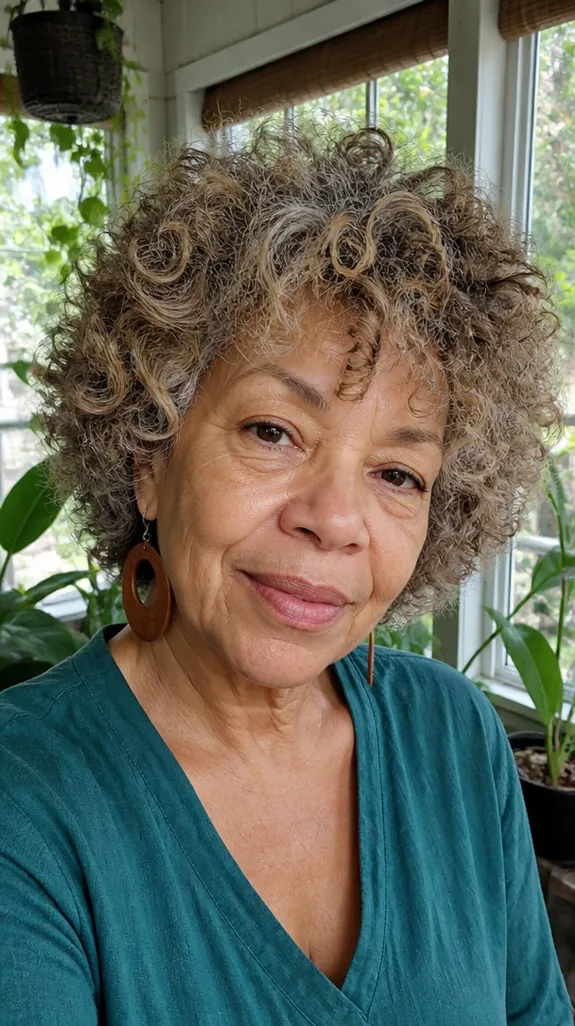
Natural curls and a shag go well together, because the layers let each curl spring into place instead of being dragged down. The shape keeps volume on top rather than at the sides.
Look for a stylist who cuts curls dry, one curl at a time. Apply a curl cream to wet hair and diffuse on low or let it air-dry without touching. On the second day, refresh with water and a little more cream.
9. Wavy Shag
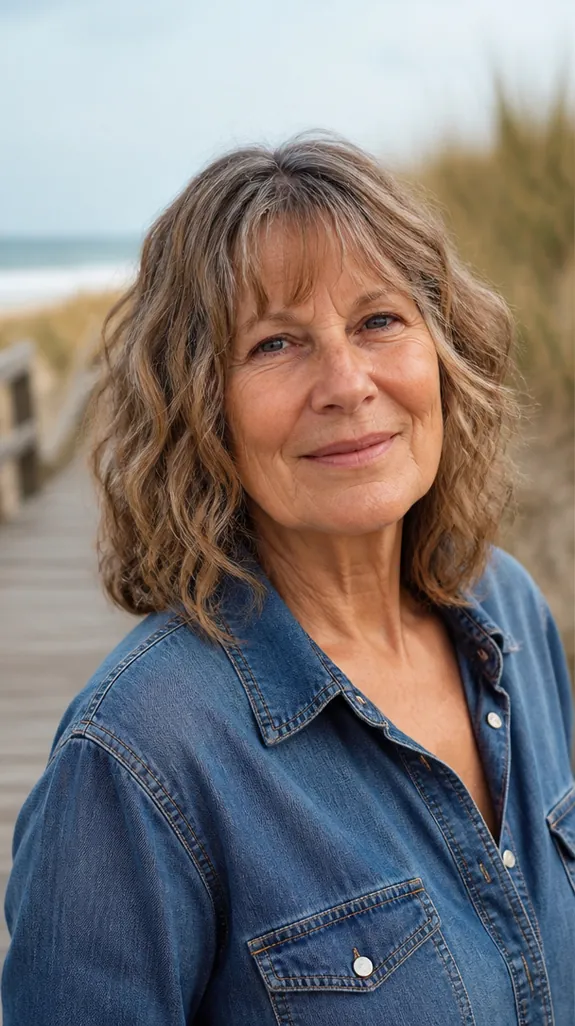
Wavy hair is made for a shag, because the layers let each wave form on its own. You get movement and body with almost no styling, which makes this one of the easiest versions to live with.
Scrunch a light mousse into damp hair and let it dry without brushing. On the second day, mist the front with water and scrunch again. A cut every eight to ten weeks keeps the waves springy.
10. Feathered Shag
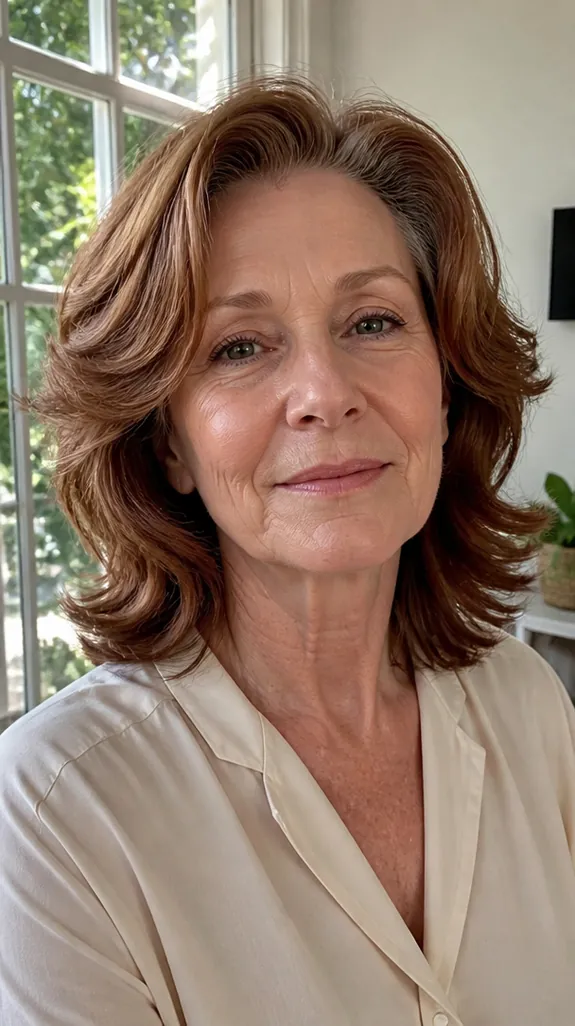
Feathered layers flick back from the face and give the shag the swept look it had in the seventies. The style opens up the face and adds lift at the sides without any teasing.
Blow the front pieces back with a round brush, rolling away from your face, and finish with a light hairspray to hold the feathering. Straight or slightly wavy hair of medium thickness works best here.
11. Long Shag Past the Shoulders

If you want to keep your length, a long shag adds layers from the cheekbones down, so long hair looks lighter and moves more. Taking weight off the ends also helps longer hair look healthier.
Air-dry it in a loose braid for soft waves, or scrunch in a texture spray. Long shags hide regrowth well, so you can wait ten to twelve weeks between cuts. A light leave-in conditioner on the ends stops long layers from looking dry.
12. Shag With Side-Swept Bangs
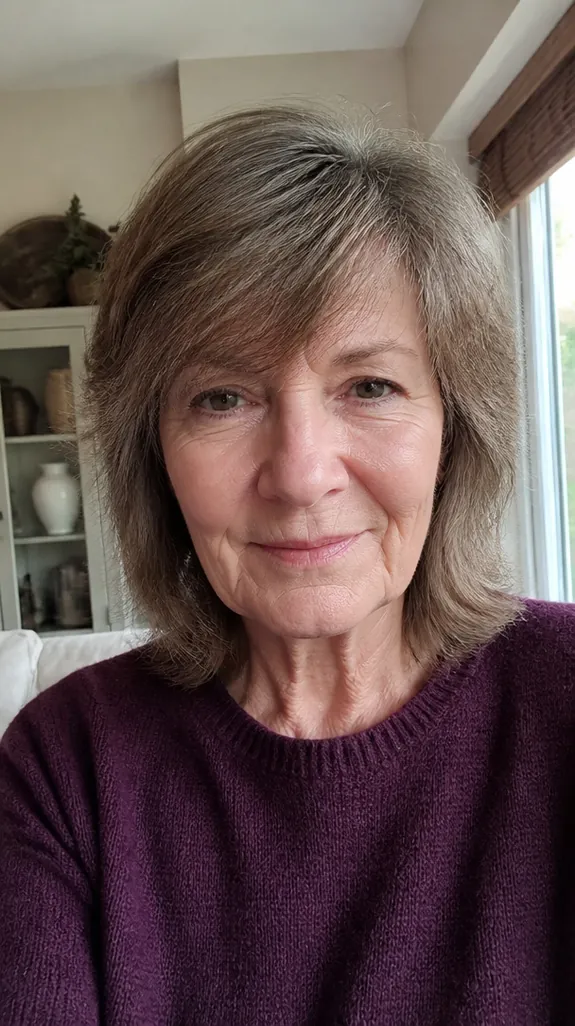
Long bangs swept to one side give a shag a diagonal line across the forehead, which flatters square and oval faces alike. They’re also easier to grow out than straight-across bangs, and they hide forehead lines without covering your eyes.
Blow-dry the bangs to one side with a flat brush and leave the rest textured. A small amount of cream holds them in place through the day, and a quick trim every four to five weeks keeps them out of your eyes.
13. Salt-and-Pepper Shag

A shag shows off the natural mix of dark and gray strands, since each layer falls at a slightly different angle. The result looks planned and dimensional instead of patchy. Leaving it uncolored also saves you a root appointment every month or so.
Keep the ends healthy with a deep conditioner once a week, and add a clear gloss at the salon for shine. These salt-and-pepper hair ideas include more ways to wear the blend.
14. White Shag With Choppy Ends

Bright white hair can look flat in a solid cut, but choppy shag ends break it up and give it shape. The contrast between short and long layers makes the texture easy to see.
Point cutting gives the ends their uneven edge. Style with a matte paste so the white looks clean rather than greasy, and keep a purple shampoo on hand for days when it turns brassy.
15. Razor-Cut Shag for Thick Hair
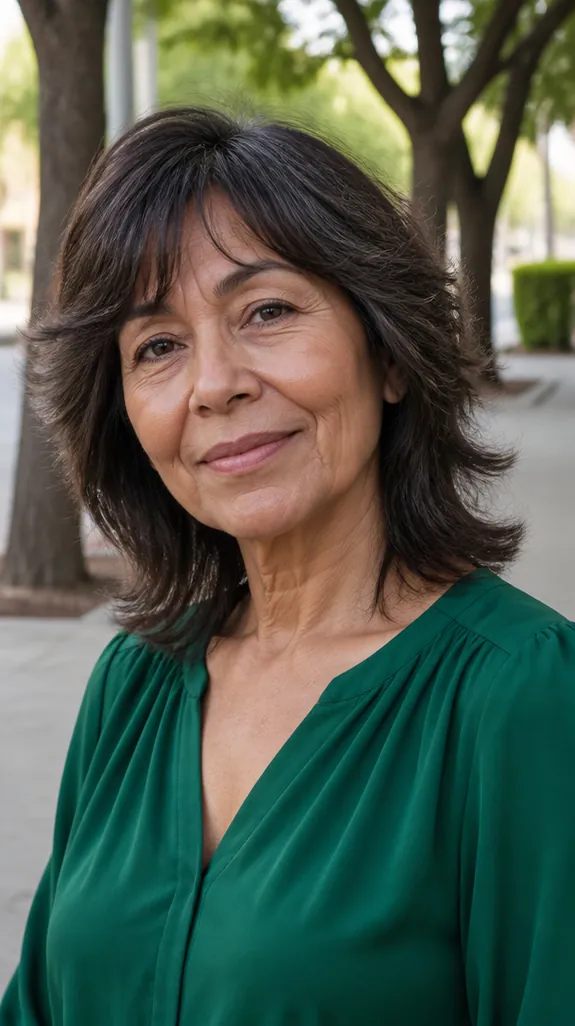
Thick hair can puff out in a short shag, but a razor cut thins the ends and removes bulk so the layers lie flatter. The ends come out feathery instead of heavy.
Razor cuts suit straight or wavy hair best, since they can make tight curls frizz. Smooth a little cream over dry ends to finish. These bixie cuts for thick hair include more shapes for dense hair.
16. Shag That Works With Glasses

Glasses add a strong line to the face, and a shag with bangs swept above the frames keeps everything balanced. The layers around the cheeks also soften the hard edge of the frames.
Keep the hair around your ears trimmed so the arms of your glasses sit comfortably. These hairstyles for women who wear glasses cover more frame and cut pairings. Bold frames look balanced with extra texture on top, while thin frames suit a smoother finish.
17. Tousled Short Shag

A tousled shag looks best slightly messy, which suits mornings when you don’t have time to style. Short, uneven layers create volume all over the head. Thick or wavy hair holds the piecey shape best, with very little product.
Rough-dry it with your fingers and scrunch in a texture spray. The less you brush it, the better it looks. Book a cut every six to seven weeks so the layers stay choppy.
18. Shag With Face-Framing Layers
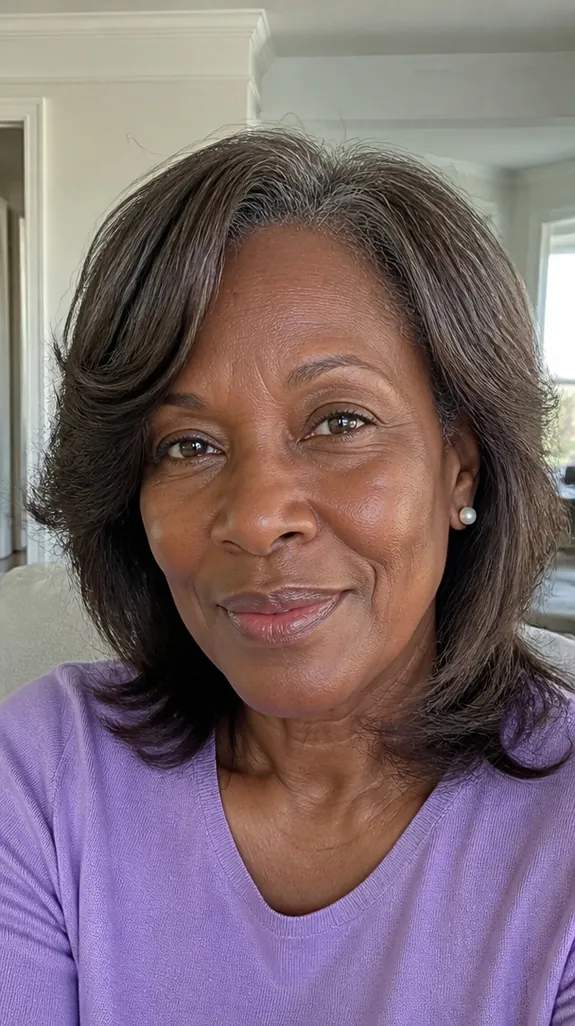
If you’d rather skip bangs, face-framing layers give a shag the same softness around the eyes and cheeks. The front layers start around the cheekbones and blend into the rest of the cut.
Blow the front pieces away from your face with a round brush and let the rest air-dry. This version grows out easily, since there’s no fringe to trim between appointments. A drop of serum on the front pieces keeps them from frizzing in humid weather.
19. Collarbone Shag
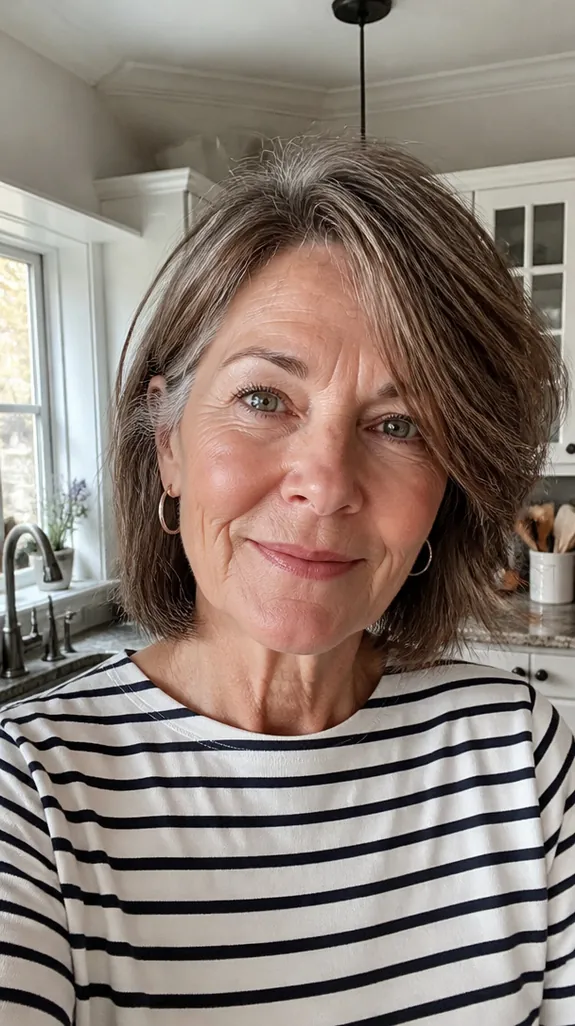
A collarbone-length shag sits between short and long, with enough length to tuck behind the ears or pull into a small clip. The layers stop it from looking like a plain lob.
Scrunch in mousse and air-dry, or blow-dry with a round brush for more polish. It’s a good trial run if you want to try a shag without going short, and if you like it, the next cut can go shorter and choppier.
20. Shag With Soft Highlights

Soft highlights woven through a shag brighten the face and show off each layer. They also blend gray as it grows in, so the regrowth line is harder to spot. Placed near the part, they also catch the light where hair often looks thinnest.
Choose shades one or two levels lighter than your base, and place them around the face and crown. A toner every six to eight weeks stops them from turning brassy. Babylights, which are very fine, grow out with the least obvious line.
21. Coily Shag for Natural Hair
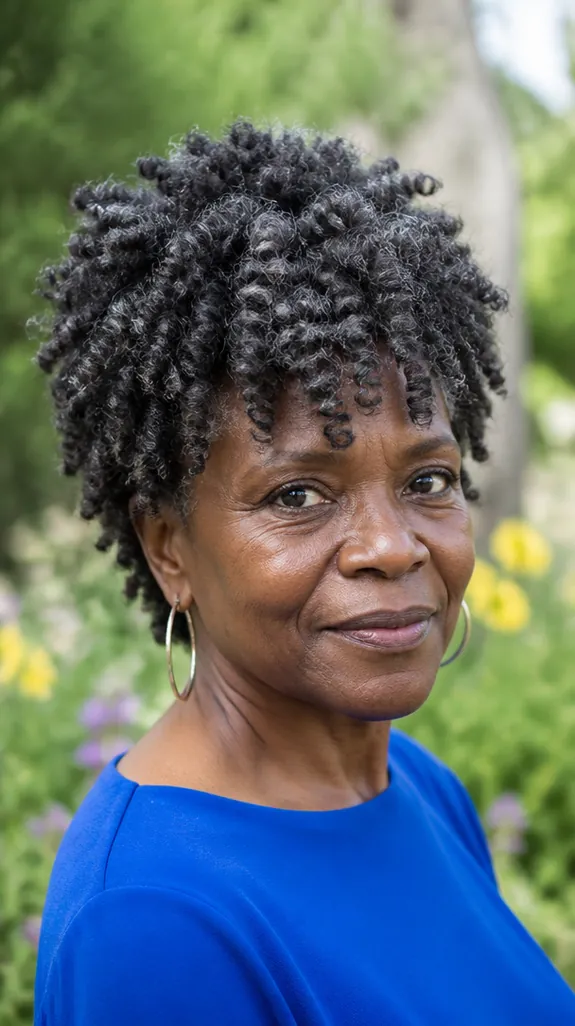
A coily shag shapes natural hair with layers that let the coils stack up on top. It gives tightly curled hair a rounded, lifted outline instead of a triangle.
Define the coils with a cream or gel on wet hair and let them dry fully before touching. A stylist experienced with natural hair can reshape it every ten to twelve weeks.
22. Shag for a Round Face
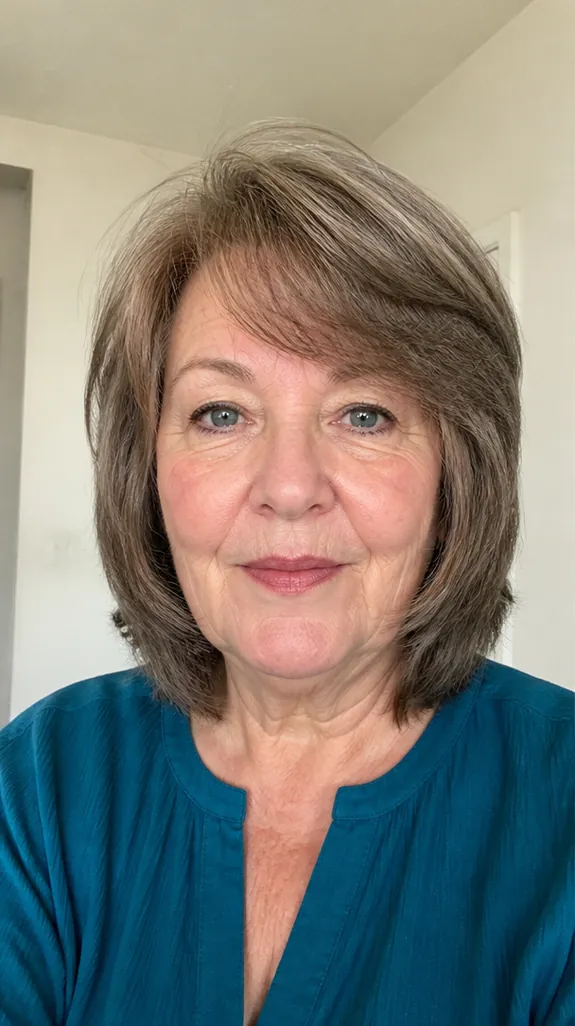
A shag with height at the crown and ends below the chin lengthens a round face. Layers that start under the cheekbones keep width away from the widest part of the face.
Pair it with side-swept or curtain bangs rather than short, straight ones. Keep your part slightly off center for an extra angle, and avoid layers that end right at the cheeks. For more ideas, see these haircuts for round faces over 50.
23. Wash-and-Go Shag
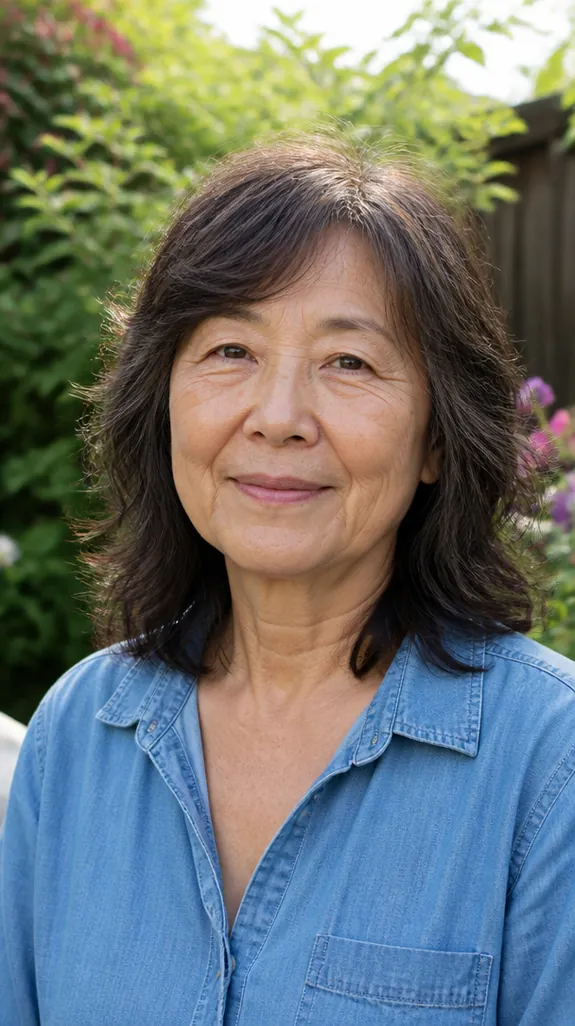
A wash-and-go shag is cut to dry into shape on its own, so you can put the blow-dryer away. It works on wavy and curly hair, and on straight hair with a little natural body.
Towel-dry gently, apply a leave-in conditioner and let it air-dry. Wash every two or three days to keep natural oils in the hair. These low-maintenance haircuts for women over 50 include more easy-care cuts.
How to Style a Shag in Five Minutes
Work a light mousse or texture spray into damp hair, focusing on the crown. Rough-dry with your fingers, lifting at the roots, until your hair is mostly dry. Skip the brush at this stage, since it smooths out the layers you paid for.
Twist a few front pieces around a finger or a small round brush to shape the bangs or face-framing layers, then let the rest finish drying on its own. A pea-sized amount of paste on the ends separates the layers.
Frequently Asked Questions
Is a shag haircut good for women over 60?
Yes. The layers add volume on top and lift the shape around the face, and the cut works with fine, thick, wavy, curly and gray hair.
Can you get a shag with thin hair?
Yes, with fewer layers and fuller ends. A shorter, chin-length shag shows the most volume on thin hair.
How often does a shag need a trim?
Every six to ten weeks. Short shags need cutting sooner, while longer shags grow out more gracefully.
Do you need bangs with a shag?
No. Face-framing layers give the same softness for women who’d rather not keep up with bangs.
Finding Your Shag
Start with your length and texture. Fine hair does best with a shorter shag and fewer layers, thick hair with a razor cut, and wavy or curly hair with a wash-and-go shape that dries on its own.
Take a photo of the version you like and tell your stylist where you want the shortest layer to sit. For other cuts that suit this age group, browse these haircuts for women over 60.