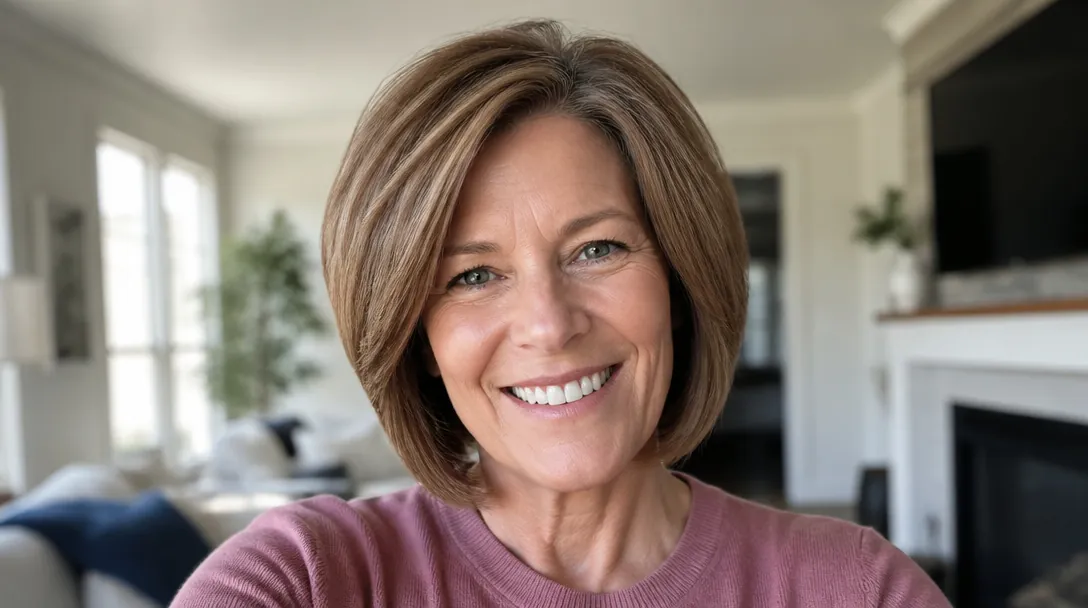
How to Make Thin Hair Look Thicker After 50
Many women first notice thinning hair in their 50s as a wider part, more scalp under bright bathroom lights, or a ponytail that wraps around one more time than it used to. It’s common, and the right cut, color and styling habits can make the same amount of hair look noticeably fuller.
This guide on how to make thin hair look thicker covers why hair thins after 50, twelve practical steps for the salon and for home, a product guide for fine hair, and the signs that mean it’s time to see a dermatologist. Save the chart below for your next appointment.
Why Hair Thins After 50
Hormone changes around menopause cause hair follicles to shrink, so hair grows in finer, according to the Cleveland Clinic. The most common cause of thinning in women is female pattern hair loss, which runs in families and becomes more common after menopause. The American Academy of Dermatology notes that it usually starts with a widening part.
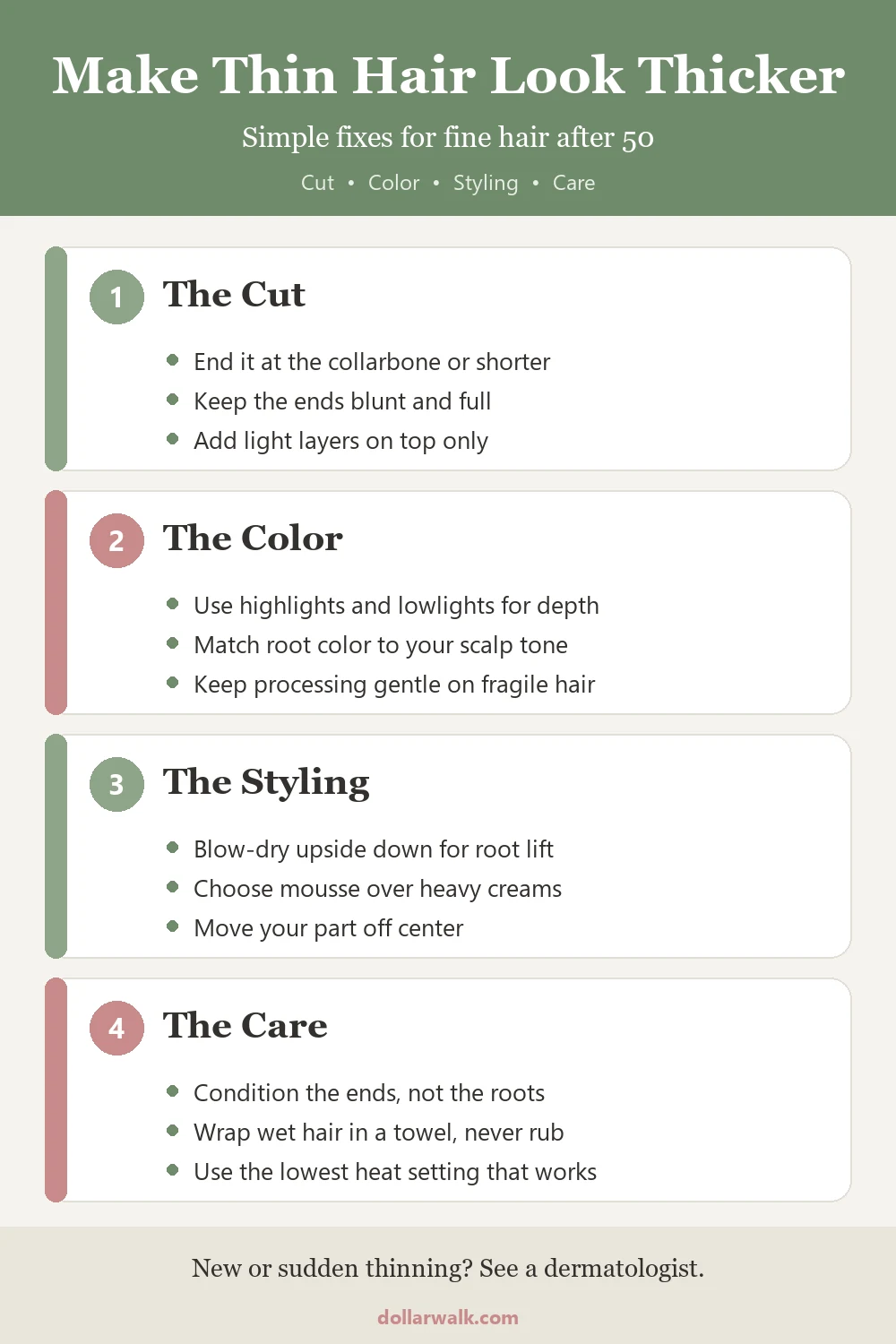
Other causes include thyroid problems, anemia, vitamin deficiencies and stress, so new or fast thinning deserves a doctor’s visit. For the everyday thinning that comes with age, the steps below make a real difference to how full your hair looks, even before any treatment.
| Product | Use it for | Go easy if |
|---|---|---|
| Volumizing mousse | Lift at the roots before blow-drying | Your hair feels stiff afterward; use less |
| Root-lift spray | Targeted height at the crown and part | You also use mousse; pick one |
| Dry shampoo | Second-day lift and a fuller texture | Your scalp gets itchy; wash it out regularly |
| Lightweight conditioner | Smoothing the mid-lengths and ends | You apply it at the roots; keep it below the ears |
| Texture spray | Separating strands so hair looks denser | Your hair is very dry; use it on the top layer only |
| Heavy oils and creams | A drop on very dry ends | Your hair is fine; they flatten it quickly |
Fine hair reacts quickly to product weight, so start with a small amount and add more only if you need it.
1. Choose a Cut That Ends at the Collarbone or Shorter
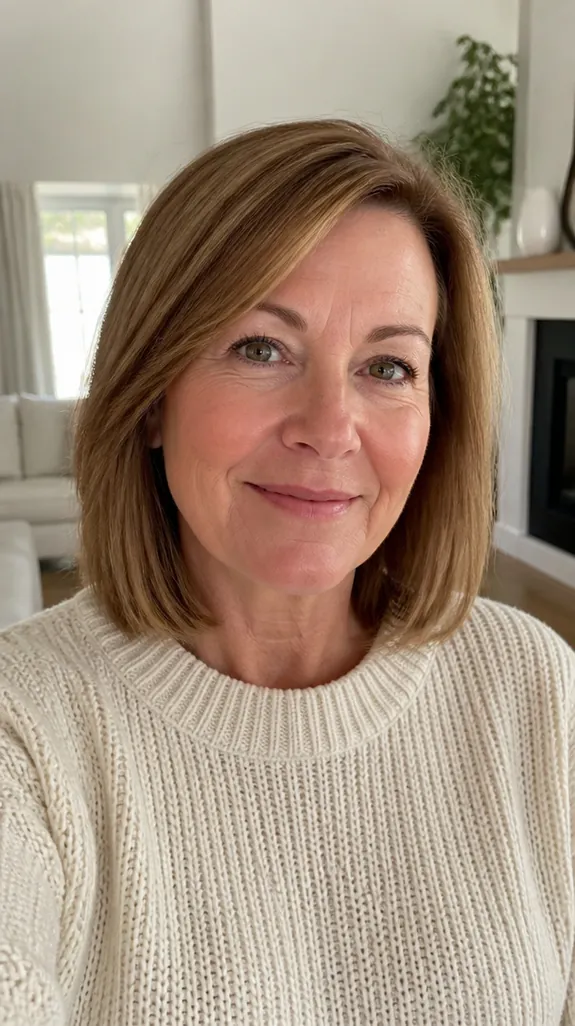
Long, thin hair tends to look see-through at the ends, because the same number of strands has to cover more length. A bob, a lob or a pixie keeps the ends closer together, so the whole cut looks thicker.
If you love length, stop around the collarbone rather than below the shoulders. These short haircuts for thin, fine hair over 50 show shapes that make the most of finer hair, and these bob haircuts for women over 50 cover lengths from the chin down.
2. Keep the Ends Blunt
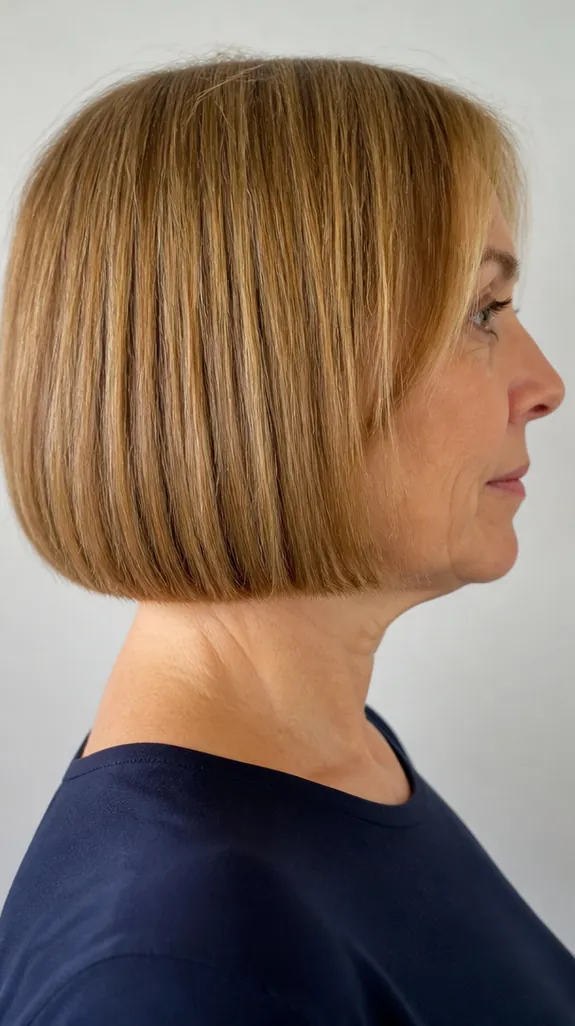
A blunt edge, where the ends are cut straight across, gives thin hair a solid line that looks heavier at the bottom of the cut. Heavy thinning or a razor at the ends does the opposite and makes them wispy.
Tell your stylist you want the ends kept full, with no thinning shears near the perimeter. A trim every six to eight weeks keeps that edge crisp before the ends start to look sparse.
3. Use Light Layers on Top Only
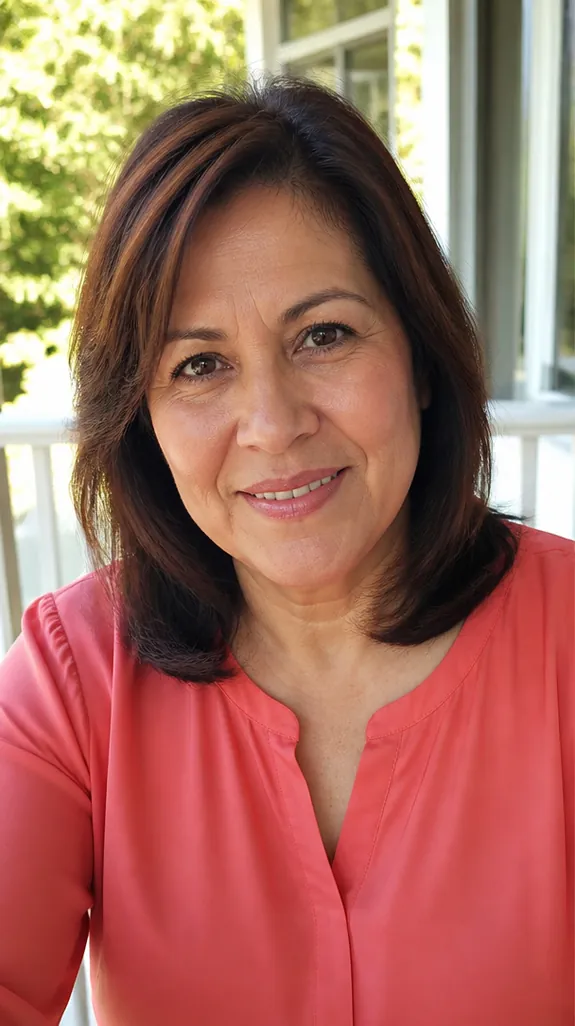
A few long layers at the crown add lift and movement without taking away the fullness at the bottom. Short, choppy layers all over the head, on the other hand, can leave fine hair looking thin and stringy.
Some stylists call these micro-layers or invisible layers. The aim is a cut that moves but still looks solid from the side. These bixie cuts for fine hair use the same idea on a shorter shape.
4. Move Your Part
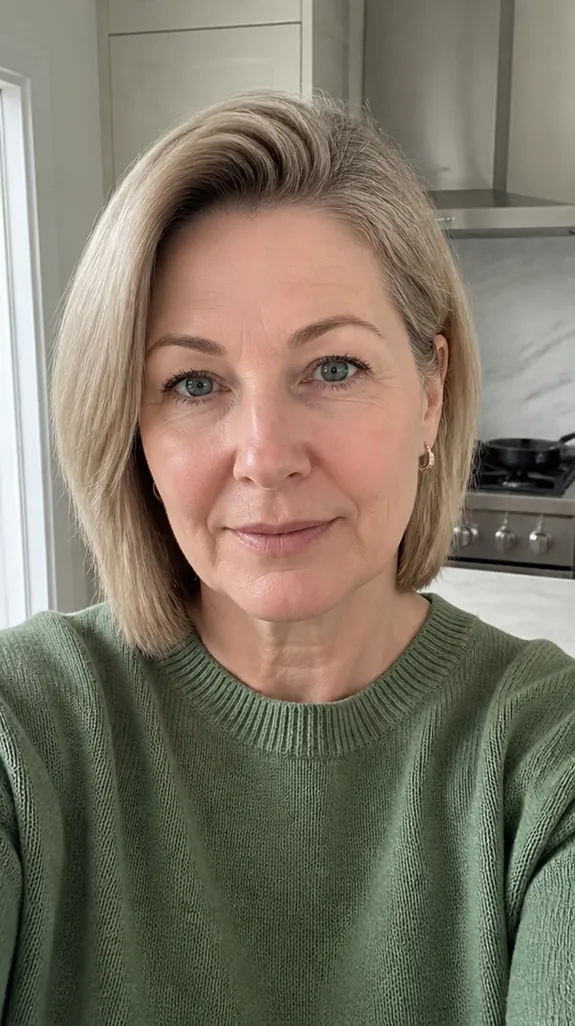
A center part can show the widest stripe of scalp, especially where thinning starts. Shifting your part an inch to one side, or zigzagging it with the end of a comb, puts more hair over the top of the head.
Switch sides every few weeks, too. Hair that has lain one way for years tends to fall flat there, and a new part gives you instant lift at the root. A zigzag part also breaks up the straight line of scalp that a regular part shows.
5. Add Bangs or Face-Framing Pieces
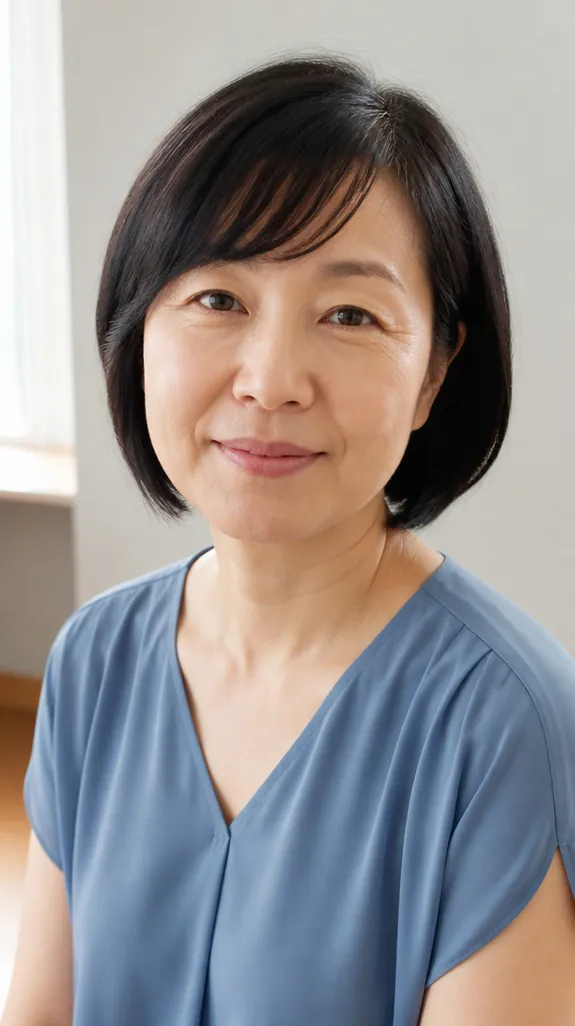
Thinning often shows first at the temples and front hairline. Soft bangs or face-framing pieces cover that area and draw attention to your eyes instead. They also soften the forehead, which shifts the focus away from the top of the head.
Side-swept and curtain bangs work best on fine hair, since they don’t need much density to look full. This guide to curtain bangs for short hair shows shapes that suit shorter cuts.
6. Add Dimension With Color
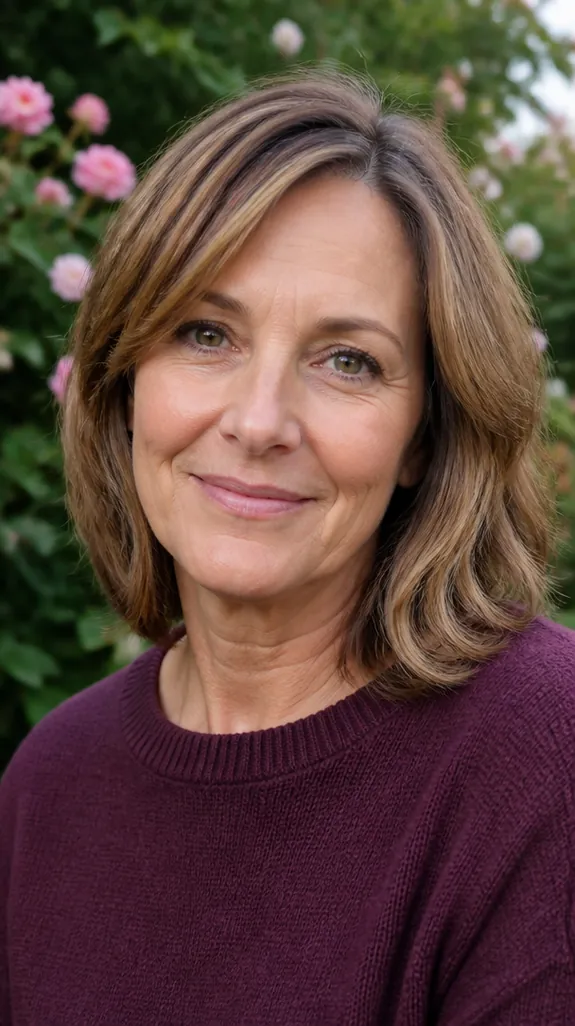
Color coats each strand, which can make fine hair look and feel a little fuller. Highlights and lowlights add depth, so you notice more texture and less scalp. Demi-permanent color is a gentle option, since it adds tone without lightening the natural pigment.
Fine hair can be fragile, so choose a colorist who keeps processing gentle and avoids heavy bleaching. A root color close to your scalp tone also makes the part less obvious. If you’re letting gray grow in, this guide to going gray gradually covers blending options.
7. Blow-Dry for Lift at the Root
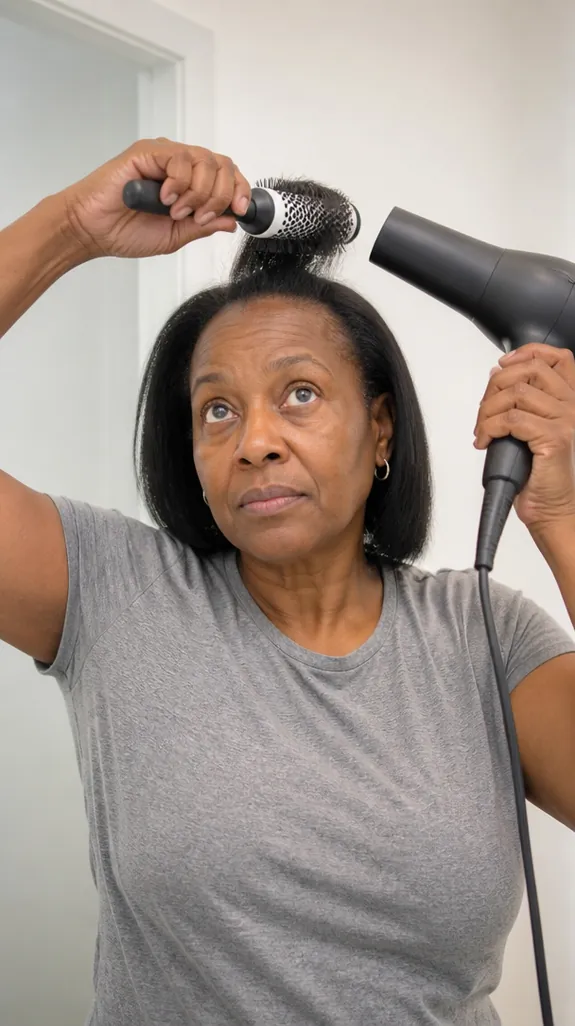
How you dry your hair matters more than any product. Rough-dry it upside down until it’s about 80 percent dry, then use a round brush to lift the roots up and away from the scalp.
Dry the crown in the opposite direction to how it usually falls, then flip it back. Keep the dryer on a medium setting and finish with a blast of cool air to set the lift.
8. Swap Heavy Products for Light Ones
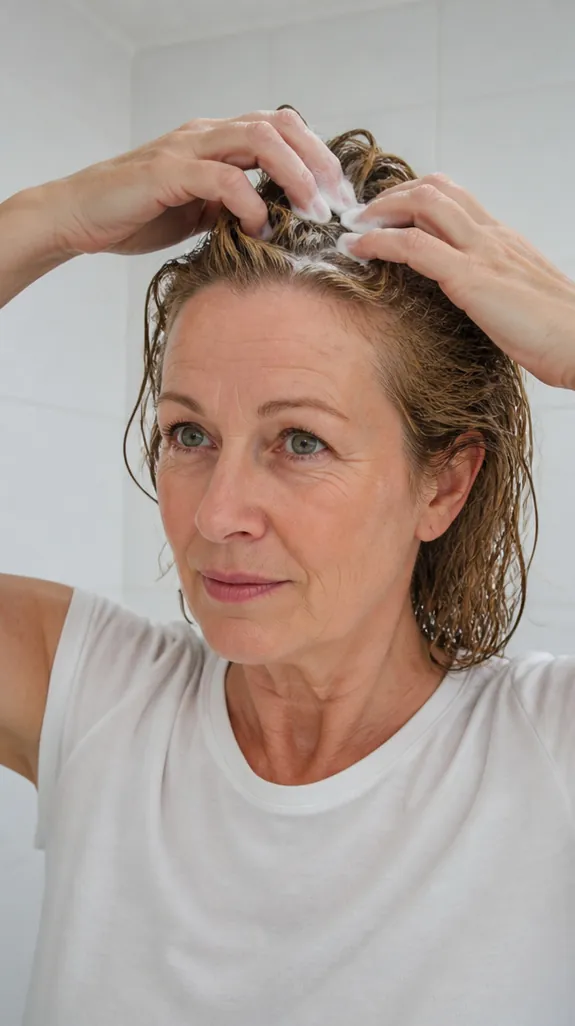
Rich creams, oils and silicone-heavy serums coat fine strands and pull them flat within hours. Mousse, root-lift spray and texture spray add grip without the weight. Fine strands have less surface to hold product, so a little goes a long way.
Apply mousse to damp roots, work it through with your fingers, and start with an amount about the size of a walnut. Shorter cuts need even less. The product table above shows where each one helps most.
9. Use Dry Shampoo for Day-Two Lift
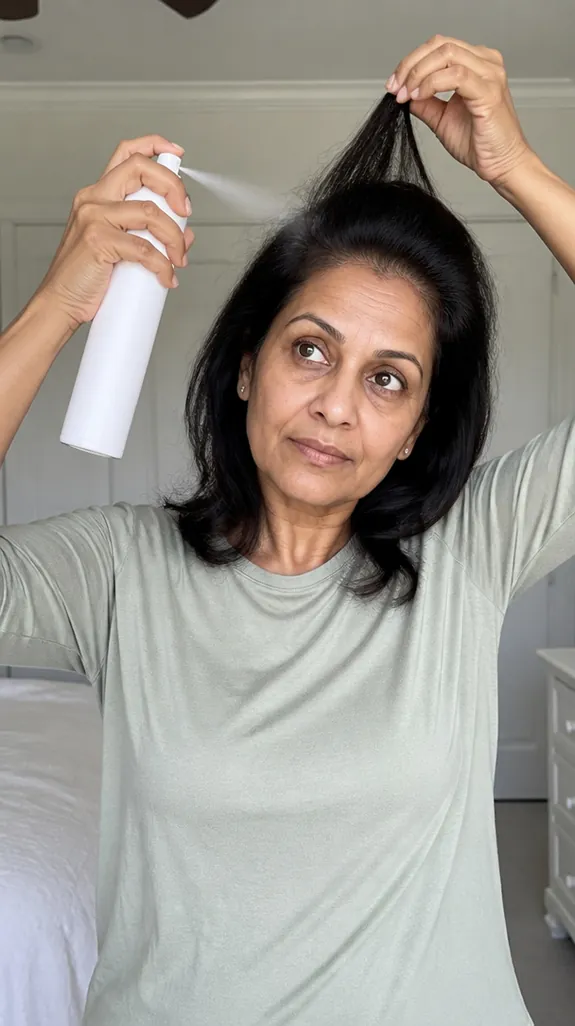
Dry shampoo soaks up oil near the scalp, which is what makes fine hair go limp by the second day. It also adds a powdery grip that makes hair look denser. Choose a tinted version if your hair is dark, so it doesn’t leave a white cast.
Spray it at the roots the night before so it has time to absorb, then massage it in with your fingertips in the morning. Wash it out within a day or two, since a buildup can irritate your scalp.
10. Fill In the Part With Root Powder
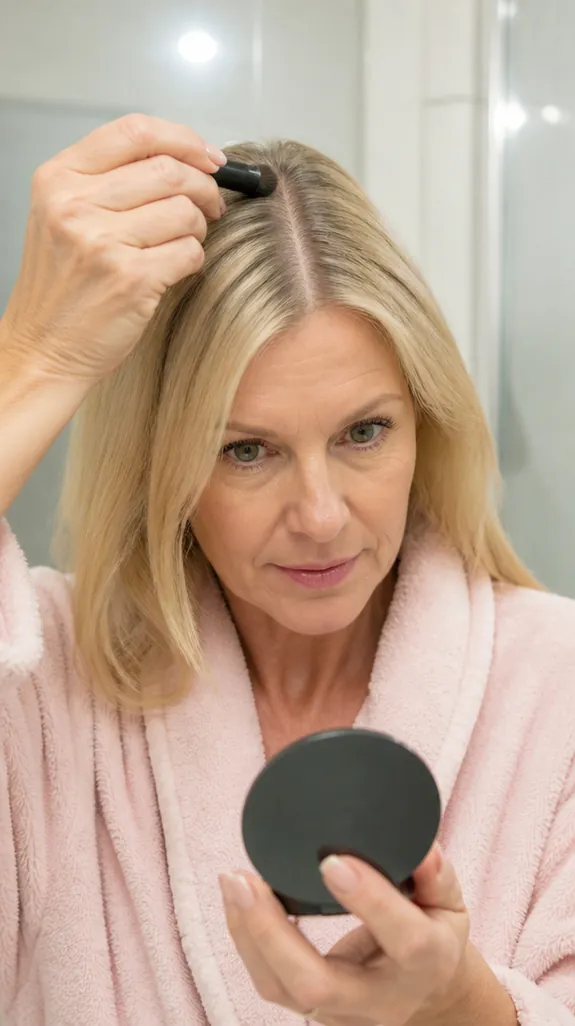
Root powders and tinted sprays, made to cover gray, also shade the scalp along the part so it shows less. Pick a shade close to your hair color, or a touch darker if your hair is very light.
Dab it along the part with the small brush it comes with, and set it with a light mist of hairspray. It washes out with your next shampoo. On very fine hair, a light hand looks more natural than full coverage.
11. Condition the Ends, Not the Roots
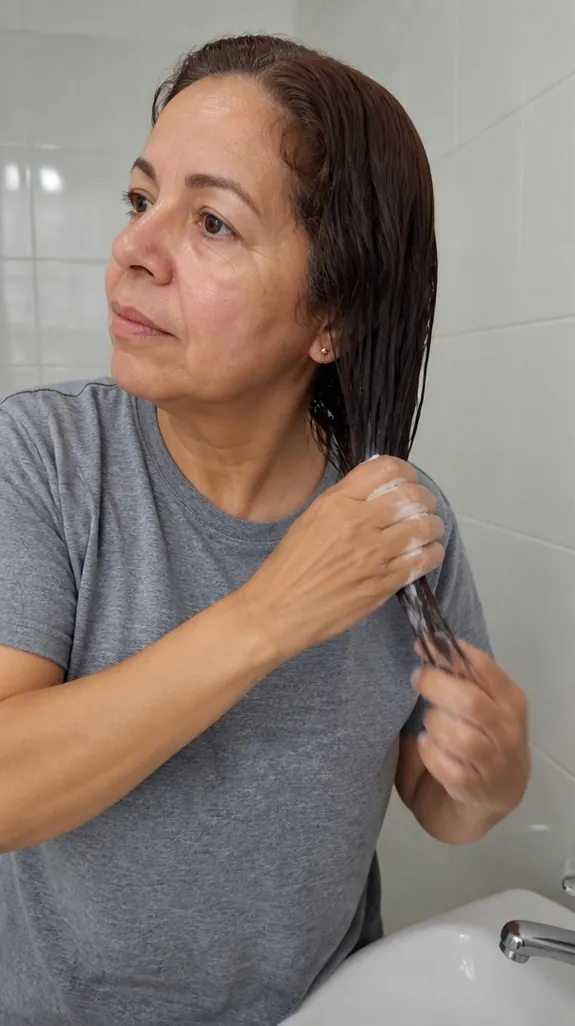
Conditioner at the roots weighs fine hair down from the start. Apply it from the ears down, focusing on the oldest, driest ends. Rinse-out conditioner is still worth using, because smooth ends tangle less and break less.
A lightweight formula is enough for most fine hair, and a leave-in spray can replace rinse-out conditioner on days you want maximum lift. Rinse well, since leftover conditioner flattens the roots.
12. Be Gentle With Wet Hair and Heat
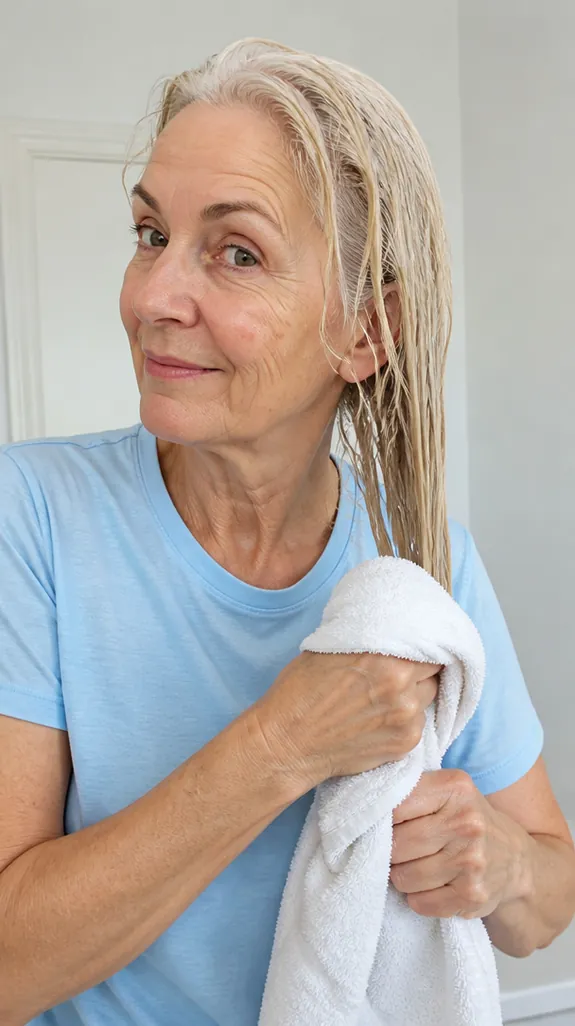
Fine hair breaks more easily, and broken strands make thin hair look thinner. Dermatologists at the AAD list several habits that damage hair, including rubbing it dry with a towel and using hot tools on high heat.
Wrap wet hair in a towel instead of rubbing, comb it gently with a wide-tooth comb, and keep hot tools on the lowest setting that works. Loose styles and soft scrunchies also spare the hairline from tension.
When to See a Dermatologist
Thinning that comes on gradually with age is common, but some signs are worth a medical visit. The Cleveland Clinic advises seeing a dermatologist as soon as you notice hair loss, and these are the clearest reasons not to wait.
- Hair coming out in clumps or noticeably more shedding than usual
- Bald patches or a part that has widened quickly
- Itching, redness, scaling or pain on the scalp
- Thinning along with fatigue, weight changes or feeling cold, which can point to thyroid or iron problems
- Hair loss after starting a new medication
Thin Hair Tips by Hair Type
Fine, Straight Hair
Straight fine hair shows every flat spot, so root lift is your main goal. Blow-dry upside down, use a root-lift spray at the crown, and choose a chin-length or collarbone-length cut that swings rather than hangs.
Wavy and Curly Hair
Waves and curls already add volume, so don’t brush them out. Scrunch in a light mousse, diffuse on low with your head tipped to the side, and keep layers long so the curls don’t separate at the ends.
Gray Hair
Gray hair is often coarser, which can help fine hair look fuller. A gloss at the salon adds shine without weight, and a purple shampoo once a week keeps the color bright so the strands look full rather than dull.
Mistakes That Make Thin Hair Look Thinner
Growing fine hair past the shoulders, asking for heavy thinning at the ends, and wearing the same center part for years all make thinning easier to see. So does a tight ponytail, which pulls at the hairline over time.
Rich products, conditioner at the roots and daily high heat flatten fine hair or snap it. Skipping trims leaves the ends wispy, which draws the eye straight to the thinnest part of the cut.
Frequently Asked Questions
Can thin hair get thicker again after 50?
Styling can make it look much thicker right away. If the thinning is female pattern hair loss, the American Academy of Dermatology notes that minoxidil is approved by the FDA for women without a prescription, and a dermatologist can tell you if it suits you.
What haircut makes thin hair look thicker?
A blunt bob or lob that ends at the chin or collarbone, with light layers on top only, makes fine hair look fullest. Side parts and soft bangs help too.
Does coloring your hair make it look thicker?
It can. Color coats each strand, and highlights or lowlights add depth, so hair looks fuller. Keep the processing gentle, because fine hair is fragile.
When should I worry about thinning hair?
See a dermatologist if hair comes out in clumps, you notice bald patches, your scalp is itchy or sore, or the thinning started suddenly.
Where to Start
Start with the cut, since it does most of the work. A blunt bob or lob, light layers on top and a side part will make the biggest difference, and the rest of the steps add lift from there.
Save the chart, bring it to your next appointment, and see a dermatologist if anything changes quickly. If you’re weighing a shorter style, these low-maintenance haircuts for women over 50 include several that suit fine hair, and this guide on how to grow out a pixie cut helps if you ever want the length back.